Tasting Notes
Anaerobic Naturals, Decoded
What "anaerobic" actually means on a coffee bag, and why most of what you are drinking is not what the label claims.
Anaerobic Naturals, Decoded
Walk into any specialty coffee roaster in 2026 and you will find at least three bags labeled "anaerobic natural" or "anaerobic lactic" or "extended anaerobic." The processing method has gone from experimental to ubiquitous in roughly six years, and as it has scaled, the term has become almost meaningless.
Here is what "anaerobic" actually means, what it should do to a coffee, and how to tell when a label is selling you something it is not.
What anaerobic fermentation actually is
In traditional natural processing, coffee cherries are laid out on raised beds (or patios) and dried with the fruit intact. Fermentation happens aerobically — in the presence of oxygen — as native yeasts and bacteria on the cherry skin break down sugars and produce the flavor compounds we taste as "fruit-forward" or "wine-like."
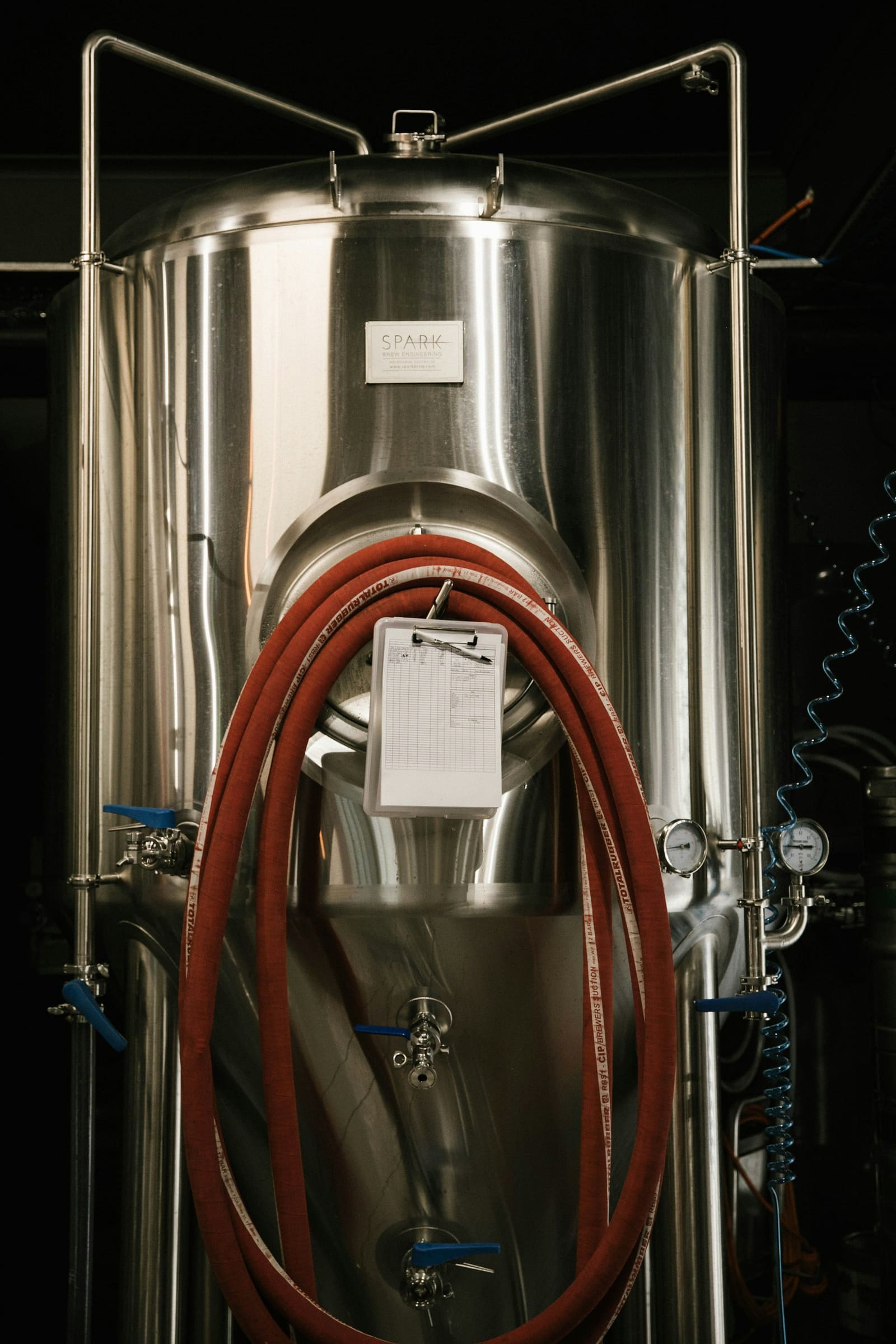
Anaerobic processing seals cherries (or de-pulped parchment) in stainless steel tanks with a one-way valve. CO2 builds up, oxygen is forced out, and the fermentation proceeds without air. The population of microorganisms that can work in that environment is different — mostly lactic acid bacteria and certain yeasts — which produces different flavor compounds than aerobic processing.
Done well, this can produce genuinely remarkable coffees: layered, stone-fruit heavy, with a specific "tropical fruit" note that is hard to find anywhere else.
What most "anaerobic" bags actually are
The problem is that the word has no regulated meaning. A producer can:
- Seal cherries for 12 hours and call it "anaerobic."
- Seal cherries for 200 hours and call it "anaerobic."
- Add commercial yeast, sugar, or fruit pulp to the tank ("thermal shock anaerobic," "co-fermentation").
- Just do a standard natural and add "anaerobic" to the label because it sells.
All four get the same word on the label. Only one of them is doing what the original Costa Rican and Colombian processing pioneers meant when they coined the term.
The "fruit loops" problem
You have probably had a coffee that tasted overwhelmingly like artificial tropical fruit — passion fruit, mango, pineapple — to the point that it no longer tasted like coffee. This is almost always an over-fermented or co-fermented anaerobic.
Extended sealed fermentation (80+ hours) produces high levels of ethyl acetate and other fruit ester compounds. In small amounts, these are delicious. In large amounts, they dominate the cup and mask every other characteristic — origin, variety, terroir, even the roast.
Many roasters love these coffees because they are immediately impressive on first sip. Many drinkers get bored of them within a week because they all taste the same regardless of where the beans came from or what variety they are.
How to read the label
Four things to look for on an anaerobic coffee bag:
- Fermentation time. A producer being transparent will list it. 24-60 hours is classical. 80-200 hours is extended. Over 200 hours is almost certainly going to produce the fruit loops effect.
- Additives. "Co-fermented with X" means fruit, cascara, or yeast was added to the tank. This is a flavor-engineering technique — the coffee''s characteristics are coming from the additive as much as the coffee itself.
- Variety and origin. If the label leads with the processing and barely mentions the farm or variety, the producer is leaning on process because the underlying coffee was not distinctive.
- Pricing. Well-executed anaerobic natural requires expensive infrastructure. $12/12oz anaerobic is commodity coffee with a fashionable label. Good anaerobic lots start around $22/12oz.
What to drink
For anaerobic that actually tastes like great coffee-plus-fermentation rather than fruit-flavored water: look at Colombia (Paraiso, El Vergel, Las Nubes), Costa Rica (Finca Genesis, Don Sabino), and select Ethiopian processors who have adopted the technique carefully. Fermentation times under 72 hours. No additives. Traceable to a specific farm.
Avoid: anything labeled "thermal shock," "infused," or "co-fermented with mango/passion fruit/etc." These can be fun once a year; as a daily driver, they get old fast and teach your palate to expect novelty over nuance.
Anaerobic processing is one of the most exciting things to happen to specialty coffee in a decade. It is also being actively cheapened by roasters and producers chasing the label without respecting the craft. Learn to read the bag, and you will drink better coffee.