How-To Guides
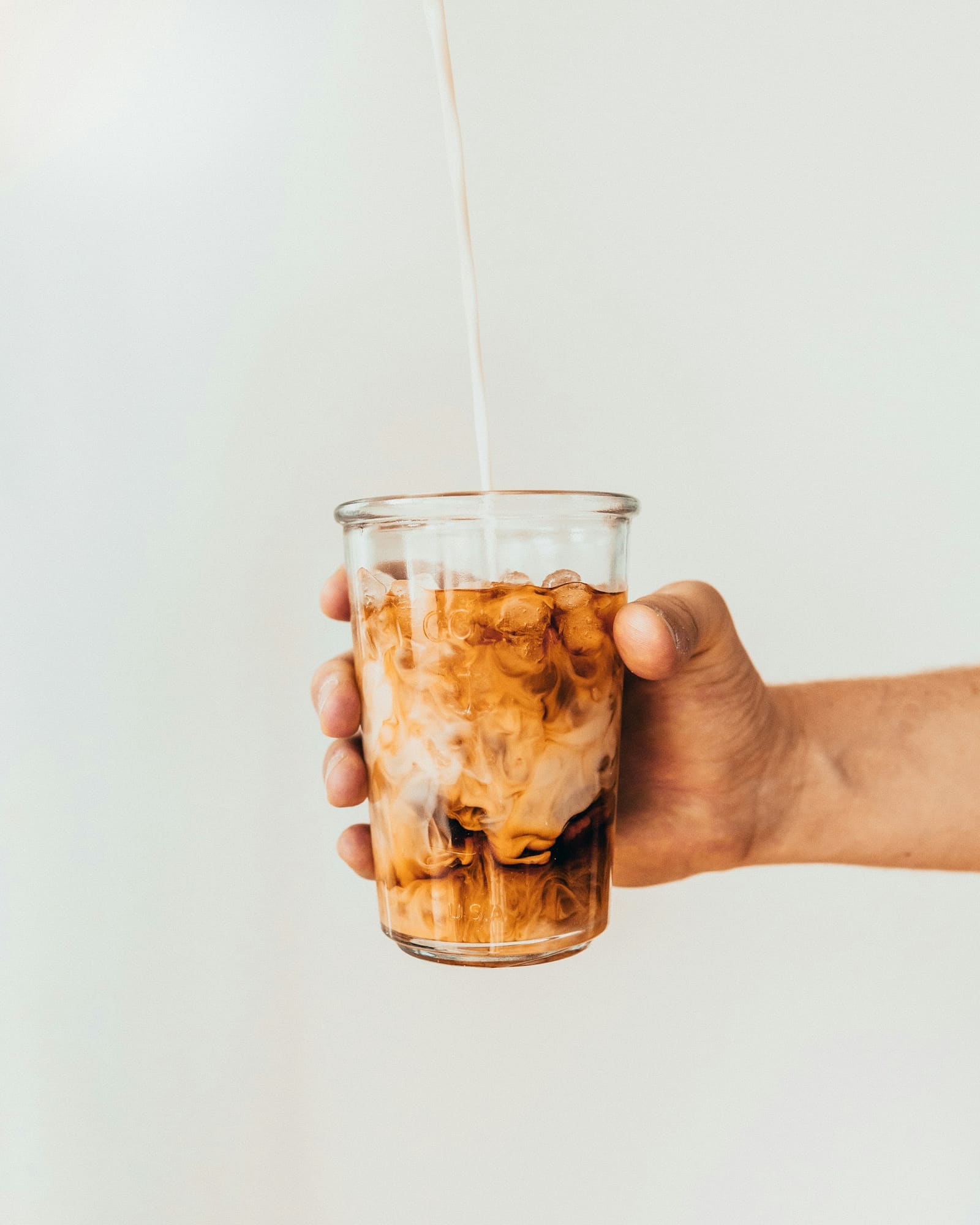
Cold Brew Season: The Real Recipe (And Why Yours Tastes Watery)
Most home cold brew is weak, watery, and slightly stale. The fix isn't equipment. It's ratio, time, and choosing the right bag of beans for the method.
By Nora

The Journal
Long reads and short takes from our editorial team — how-tos, gear deep-dives, interviews with roasters and engineers, and the coffees we’re drinking right now.
Most home cold brew is weak, watery, and slightly stale. The fix isn't equipment. It's ratio, time, and choosing the right bag of beans for the method.
Spring is the busiest week of the specialty coffee calendar. Four harvests, dozens of roasters, hundreds of bags. Here's what to actually buy if you're overwhelmed.
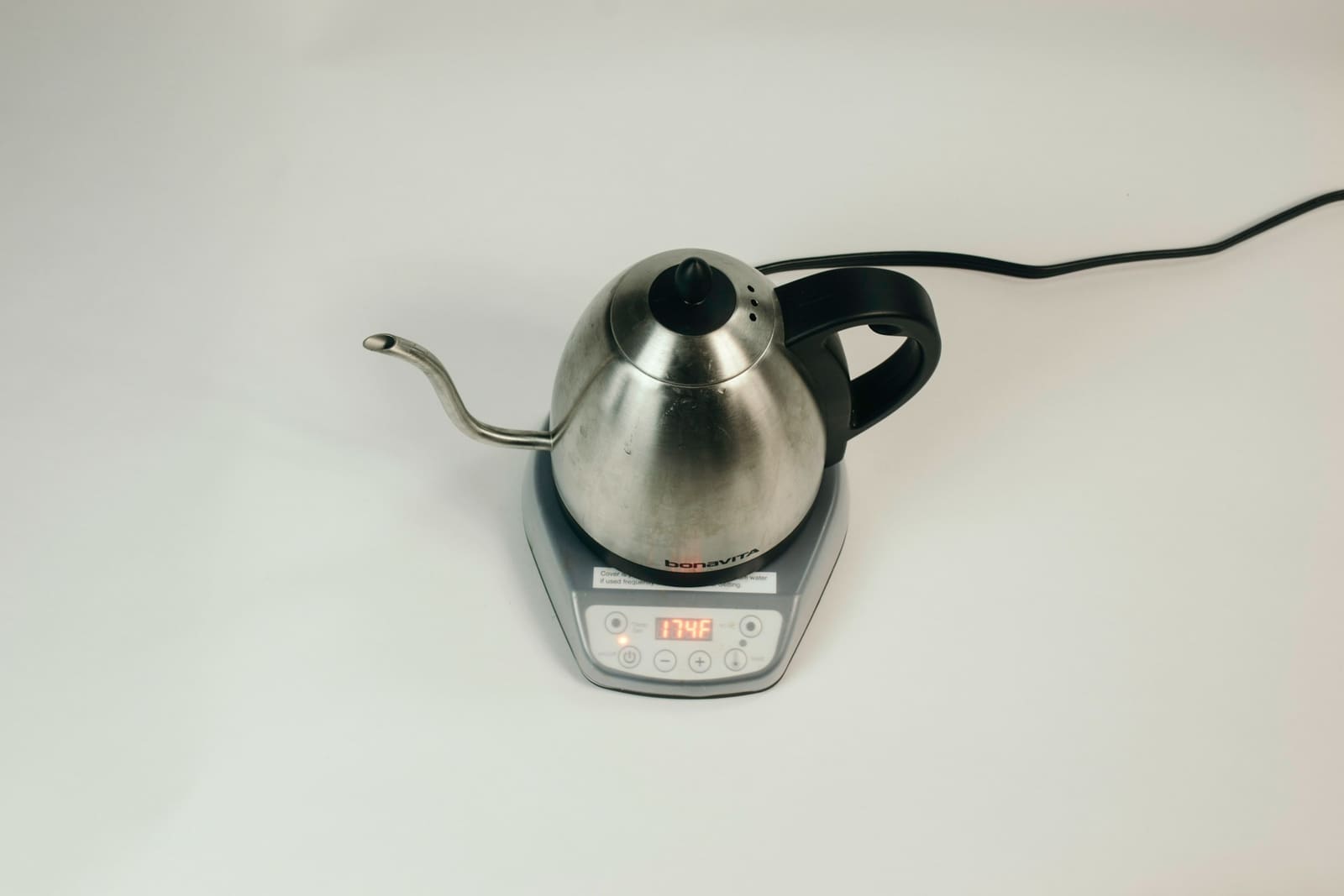
Five gooseneck kettles, three months on the same counter, one winner. Spoiler: it isn't the Stagg. The Stagg is excellent. The winner is something else.
Two Yirgacheffes from the same harvest can taste like entirely different fruits. The reason is the geography, the genetics, and the way Ethiopian smallholders actually work.
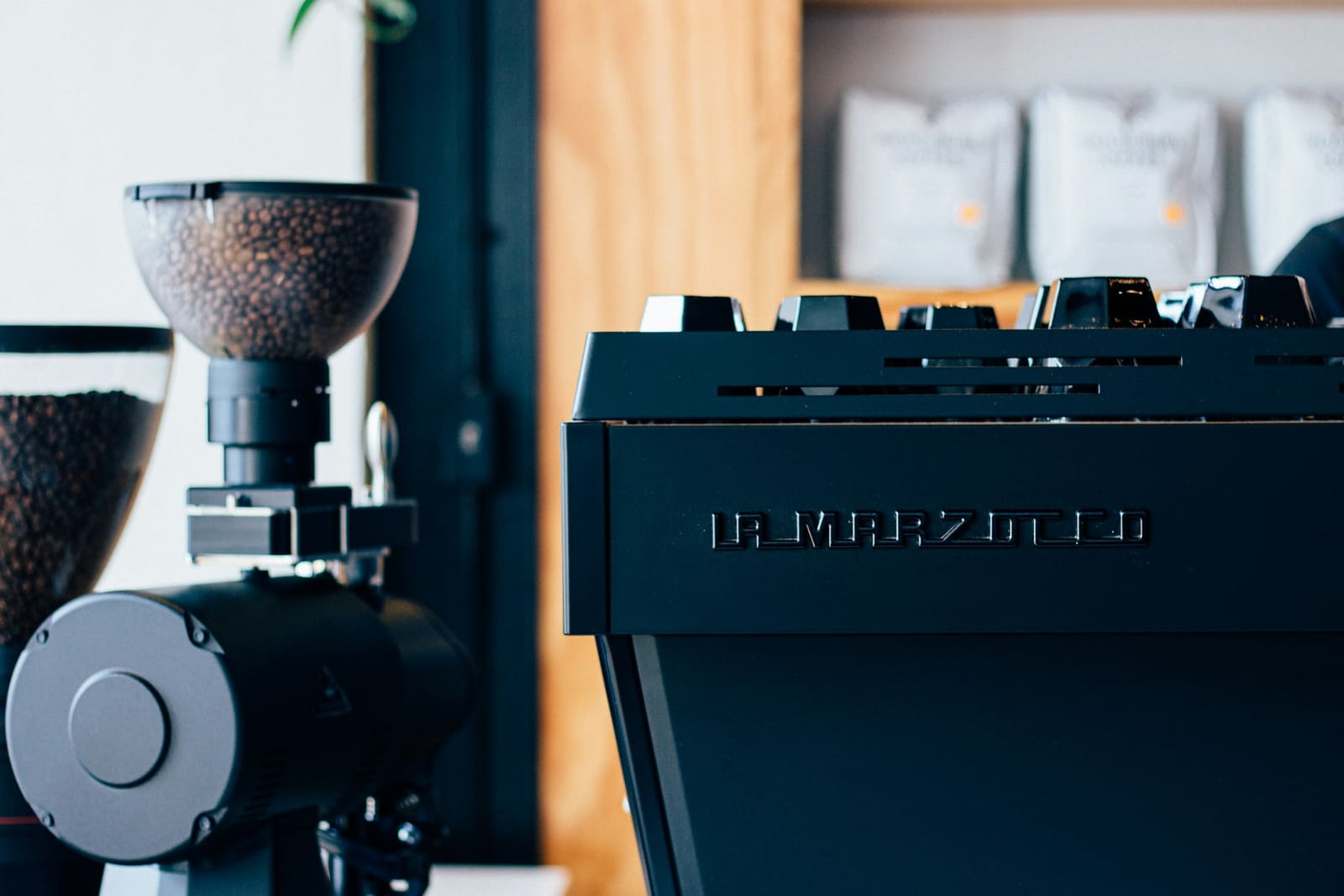
The Linea Mini is the espresso machine you buy when money has stopped being the question. Three months in, here's what the 2026 update actually changes — and what it doesn't.
Three $200 grinders, three very different personalities. We put the Baratza Encore ESP, the DF54, and the Kingrinder K6 head-to-head on espresso, pour-over, and everyday drip.
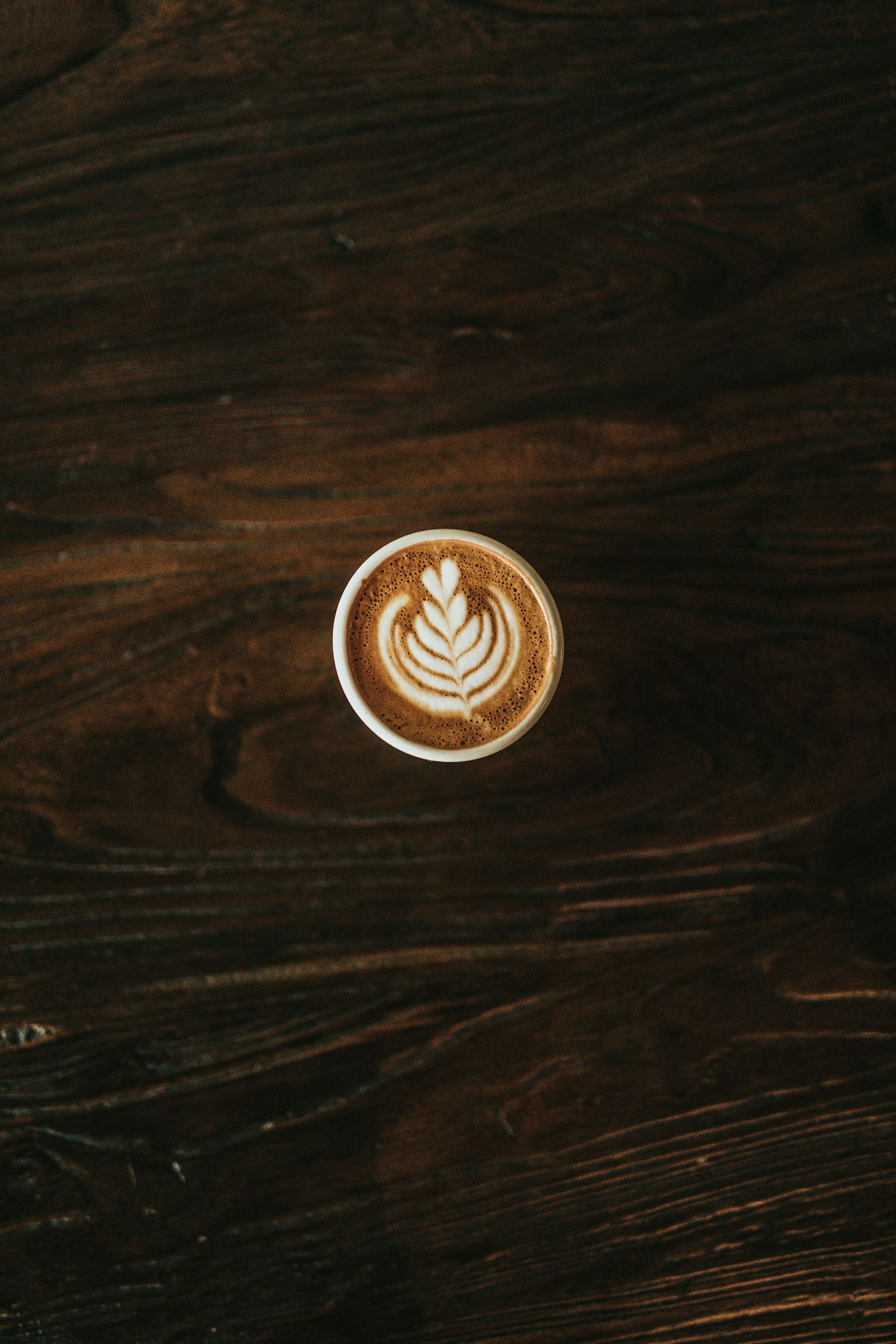
The cafes have made the milk drink menu nearly unreadable. Here are the actual ratios, the temperatures that matter, and the pour that turns a milky espresso into a cortado.
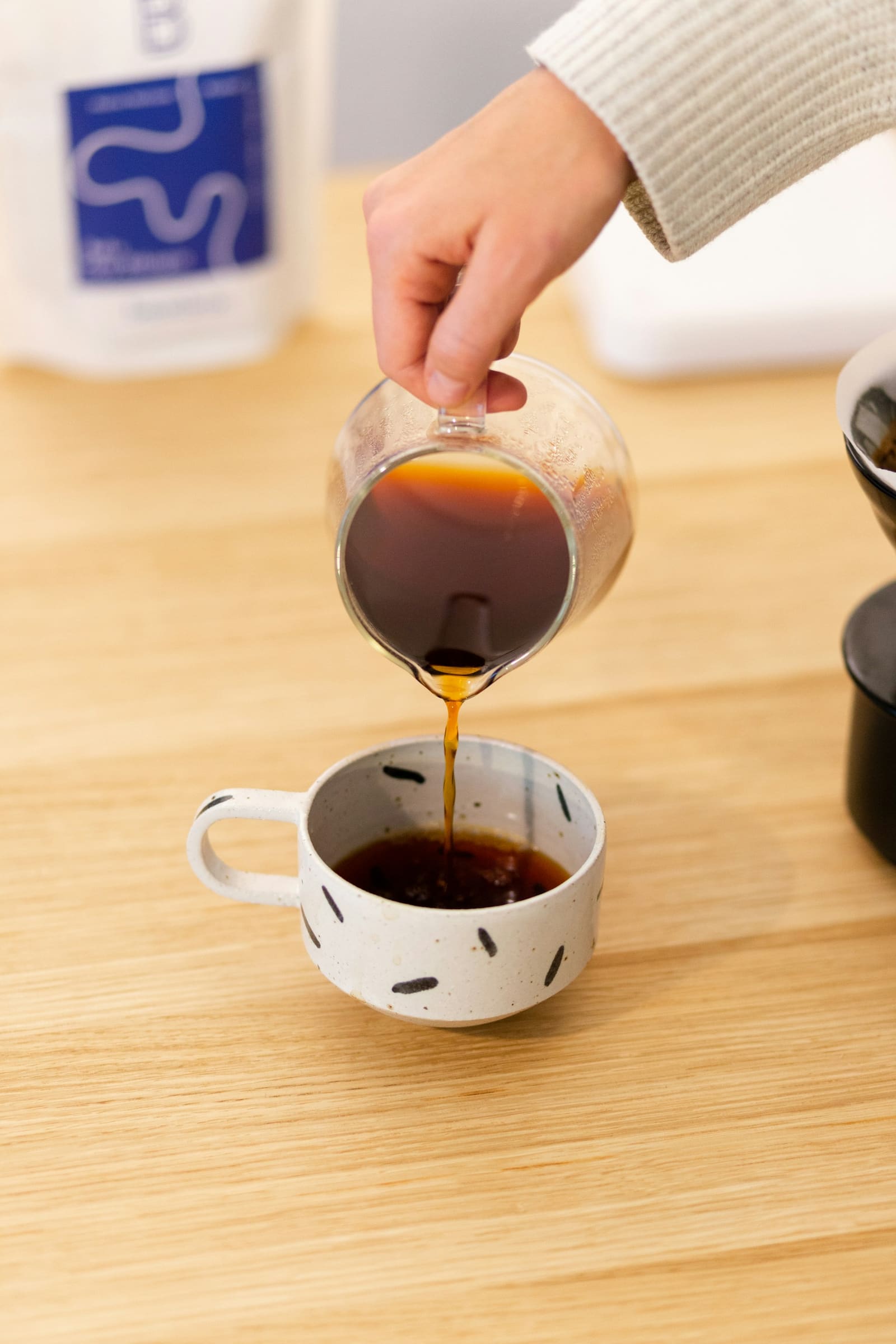
Channeling is why your V60 tastes flat — not your grinder, not your beans. Here's the pour technique competition baristas use to keep water off the paper and in the bed where it belongs.
Third wave coffee, as a defined moment, is over. Light roasts, single origins, paper menus with tasting notes — these aren't avant-garde anymore. They're table stakes.
Refractometers are a tool, not a goal. The pursuit of a magic extraction percentage has produced a generation of baristas brewing technically-correct, joyless cups of coffee.
Panama Geisha won every competition in sight in the 2010s. Today it is planted on five continents and selling for $50 a cup in Brooklyn. But something is missing from the conversation.
Stop wasting half a bag chasing your tail. Change one variable at a time, in the right order, and any new coffee opens up by the third morning.
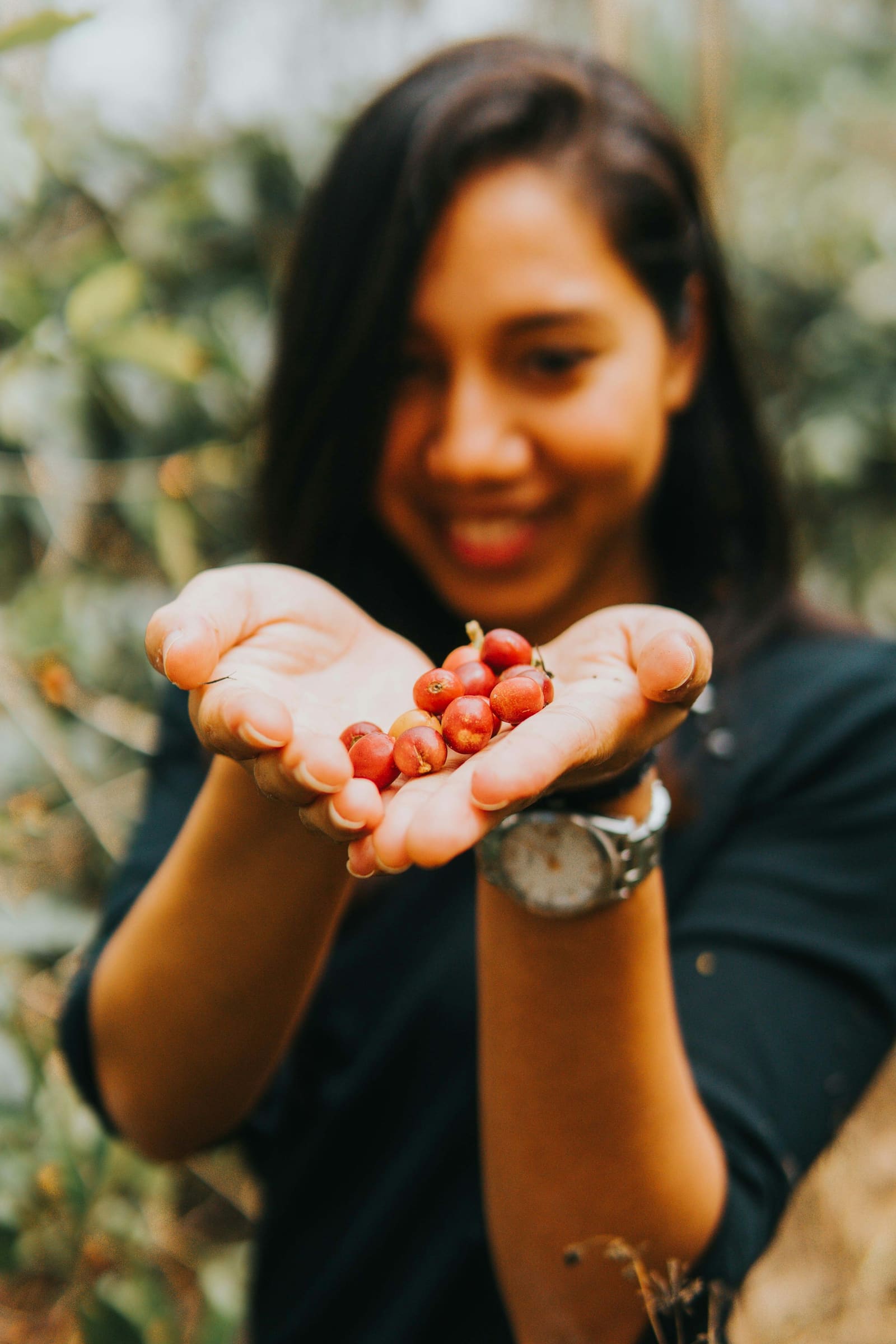
The 2026 Central American harvest is starting to show up on cupping tables in the U.S. and Europe. Our initial impressions: a promising Honduras, a cautious Guatemala, and one very good surprise from Costa Rica.
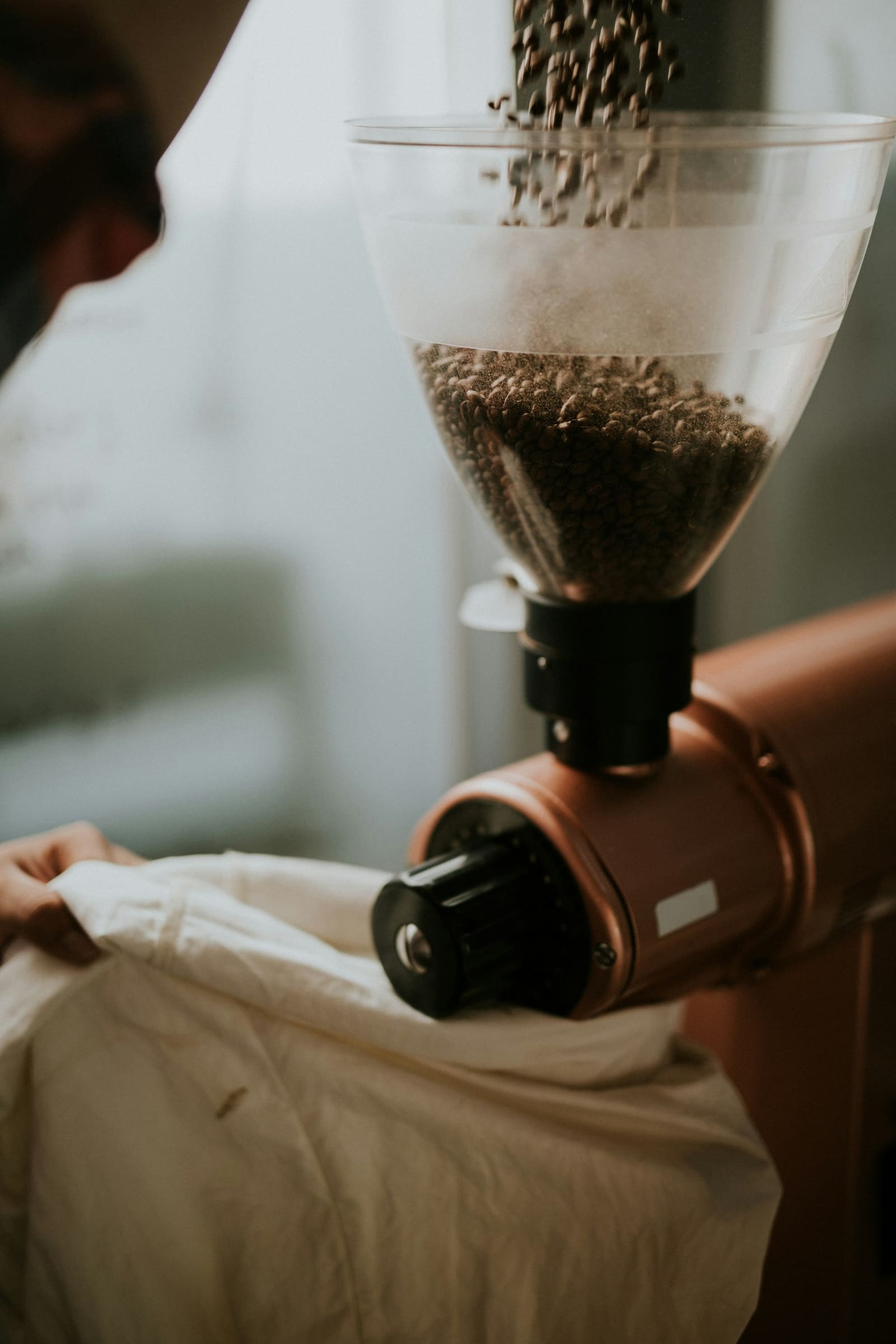
A $70 hand grinder will produce a more uniform pour-over grind than most $300 electric grinders sold today. The reason is geometry, not magic.
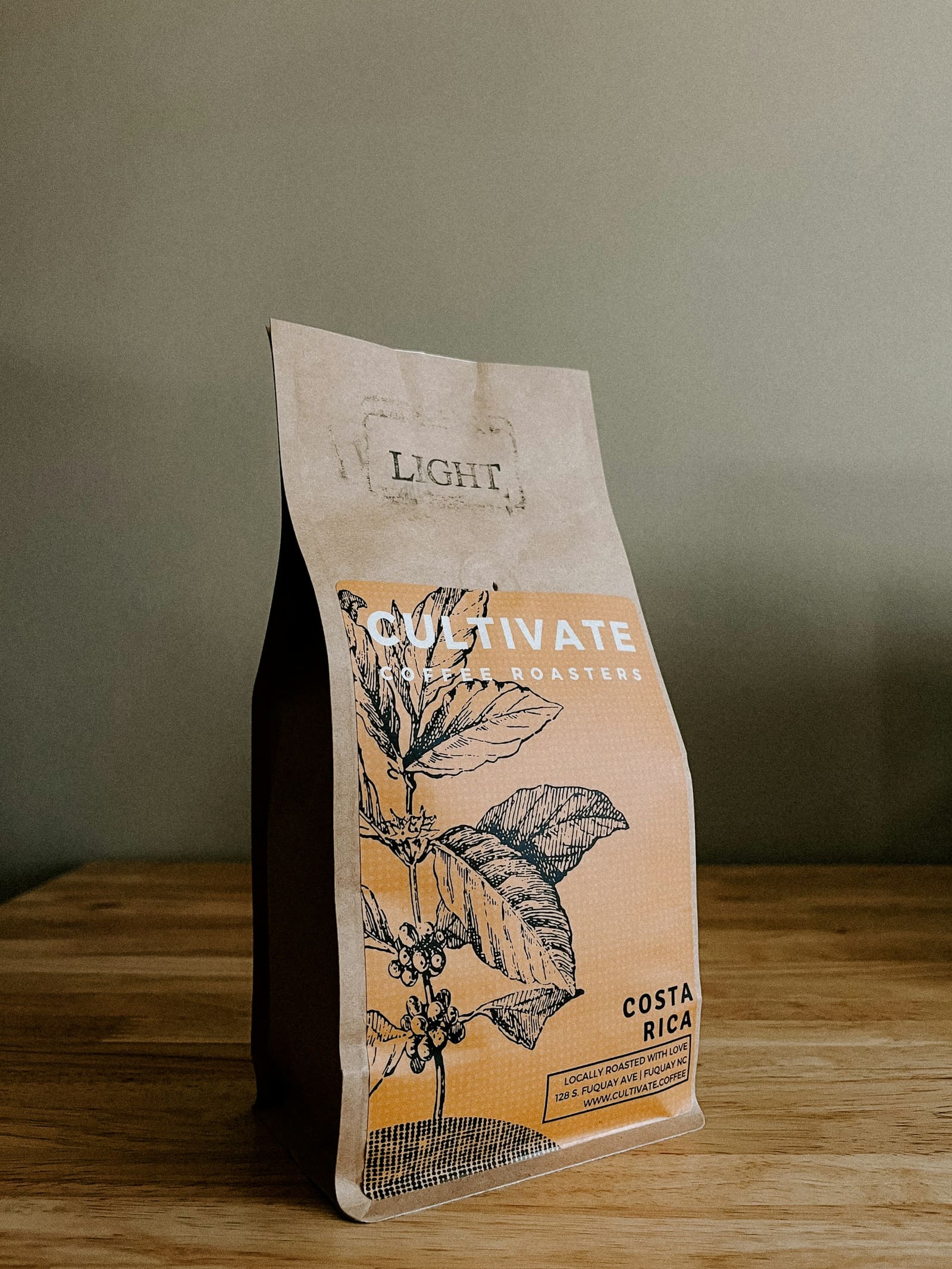
Pink Bourbon, anaerobic naturals, smallholders winning national Cup of Excellence. Colombia in 2026 is the most exciting coffee origin in the world, and most consumers haven't caught up.
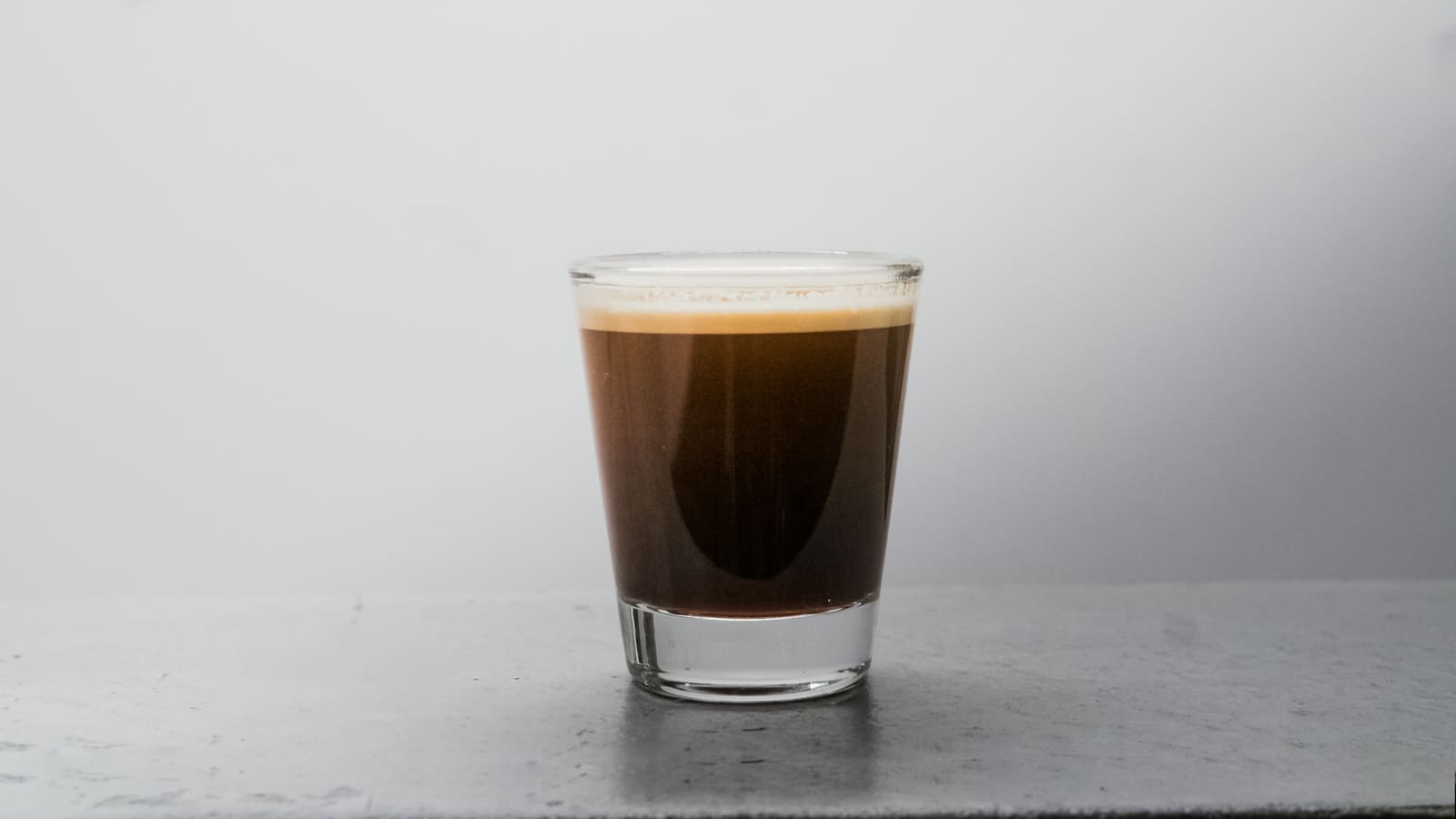
Low-dose espresso is the most misunderstood technique in specialty coffee right now. Done right, it unlocks light roasts that refuse to extract any other way. Done wrong, it is just weak coffee.
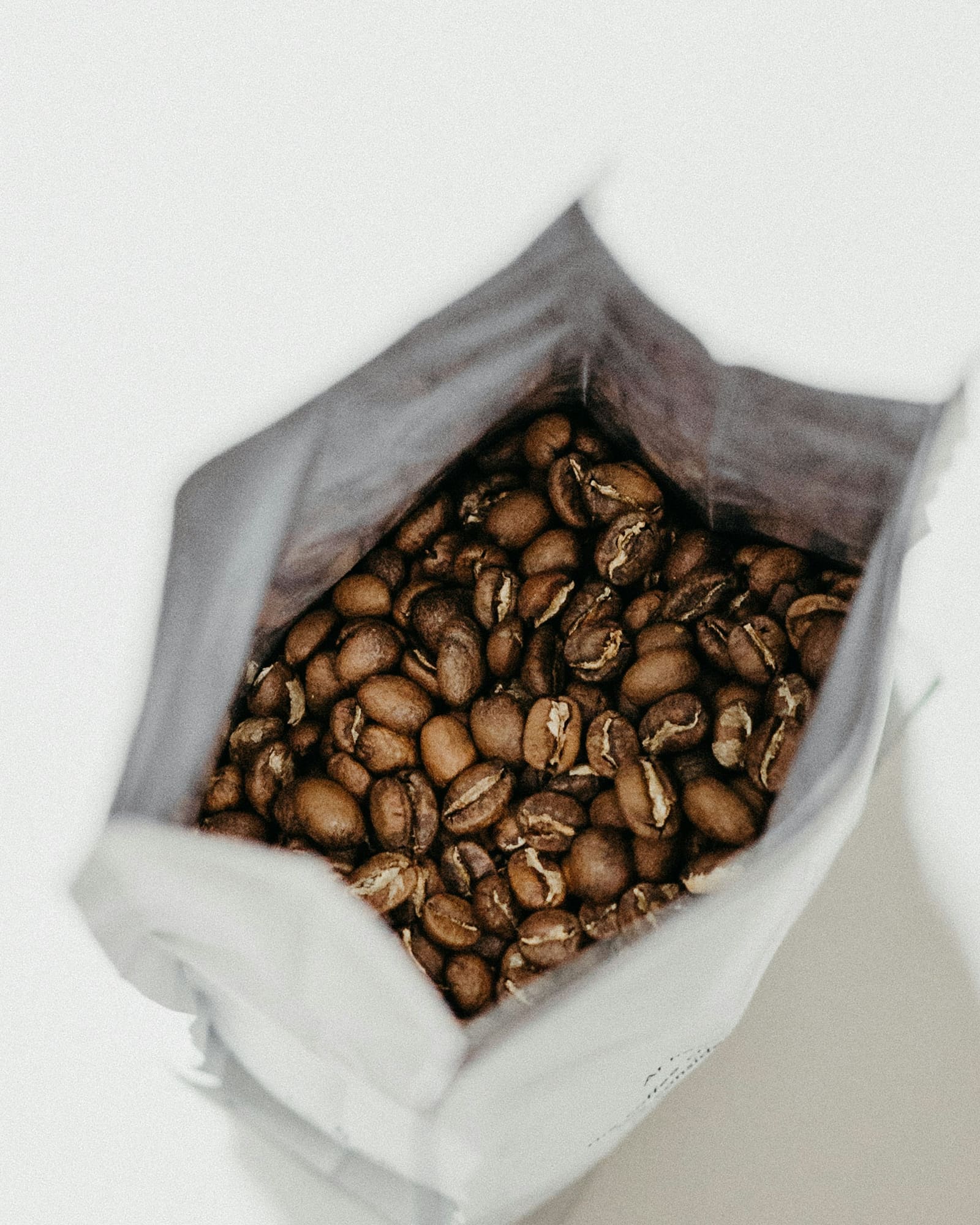
Direct trade was a real and important corrective to commodity coffee economics. It's also become, for many roasters, a marketing posture rather than a sourcing practice. Here's the difference.
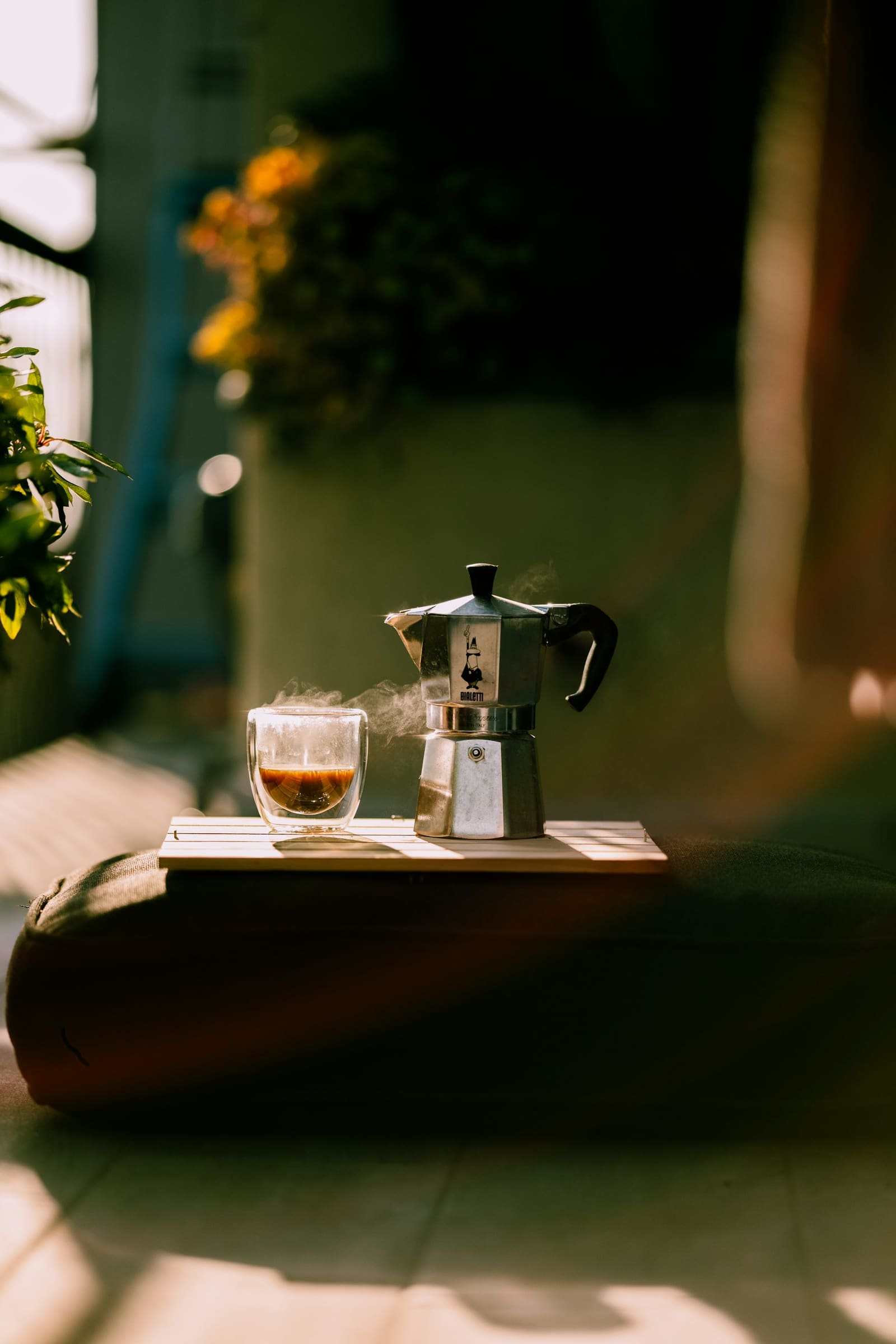
The moka pot you own makes burnt coffee because everyone gets the heat wrong. Drop to medium-low, pull it off at the first sputter, and the same pot makes a different drink.
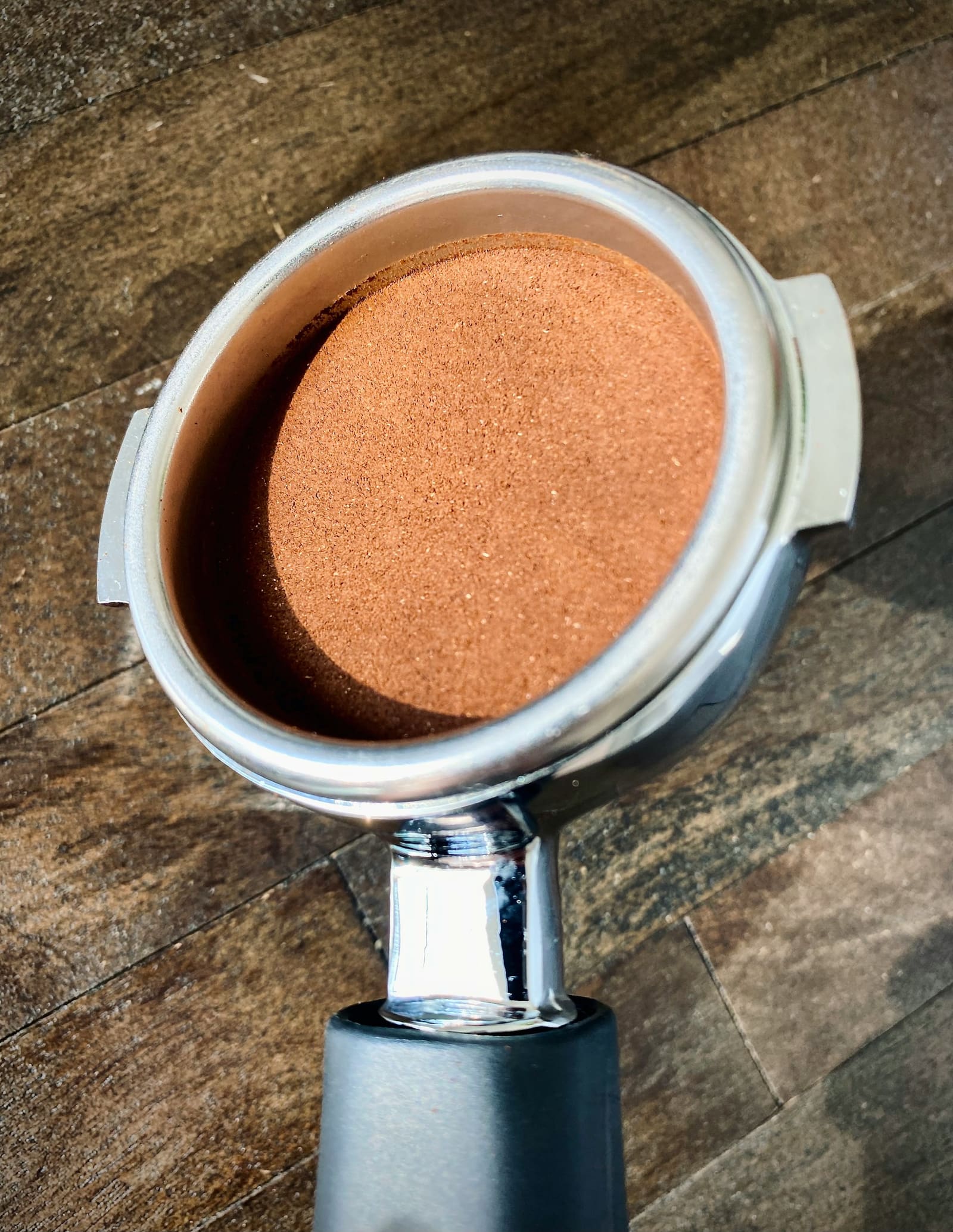
Puck screens are marketed as a cure-all for channeling, but they solve a problem most home setups do not have. Here is what they actually do — and when they make things worse.
You spent $400 on a grinder, $3,000 on an espresso machine, and $24 on a bag of beans. Then you brewed it with tap water that's wrong for coffee. This is fixable.
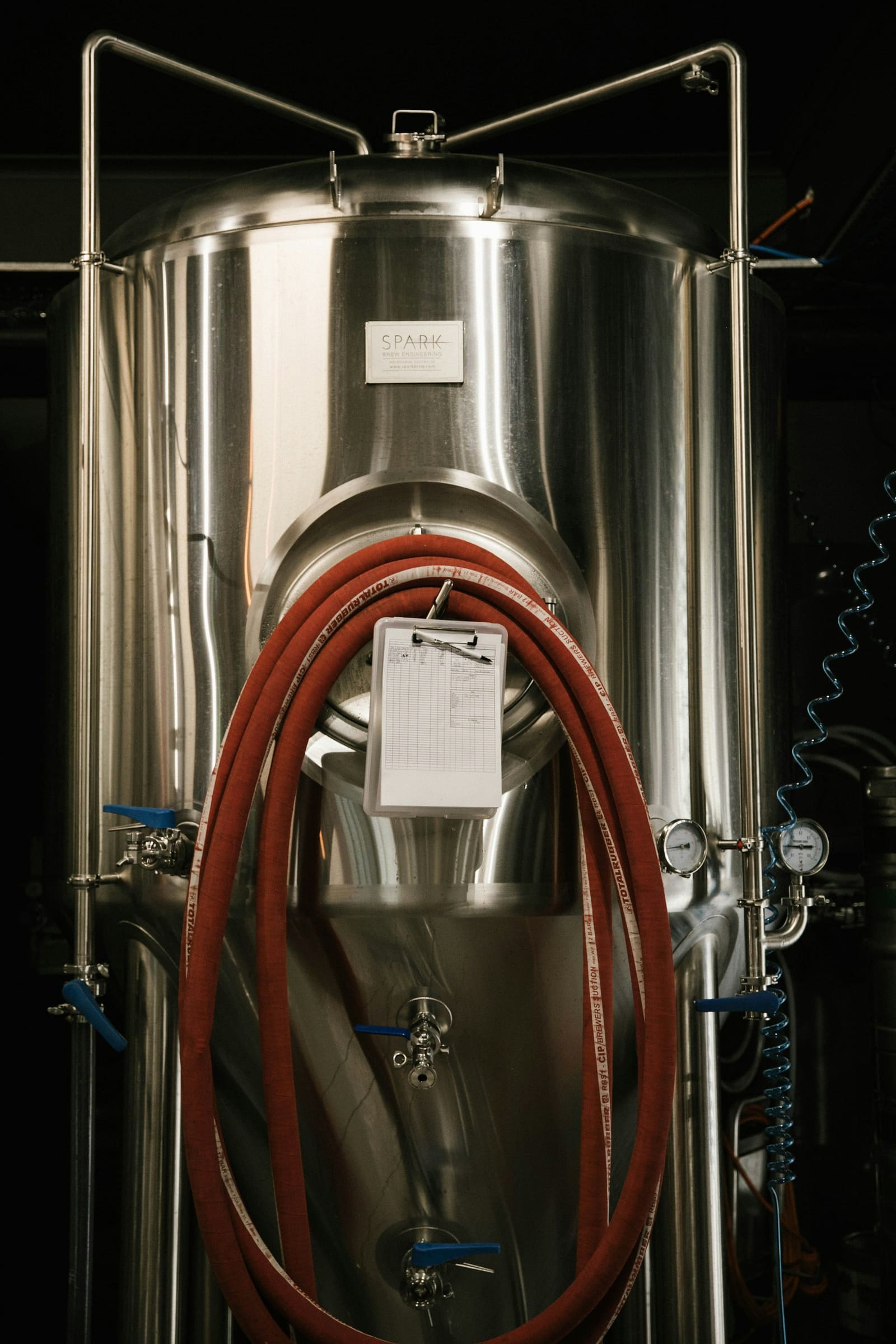
Anaerobic processing is specialty coffee's most abused term. Real anaerobic ferment produces remarkable coffee. Fake labeling sells a lot of mediocre beans with fruit loops taste.
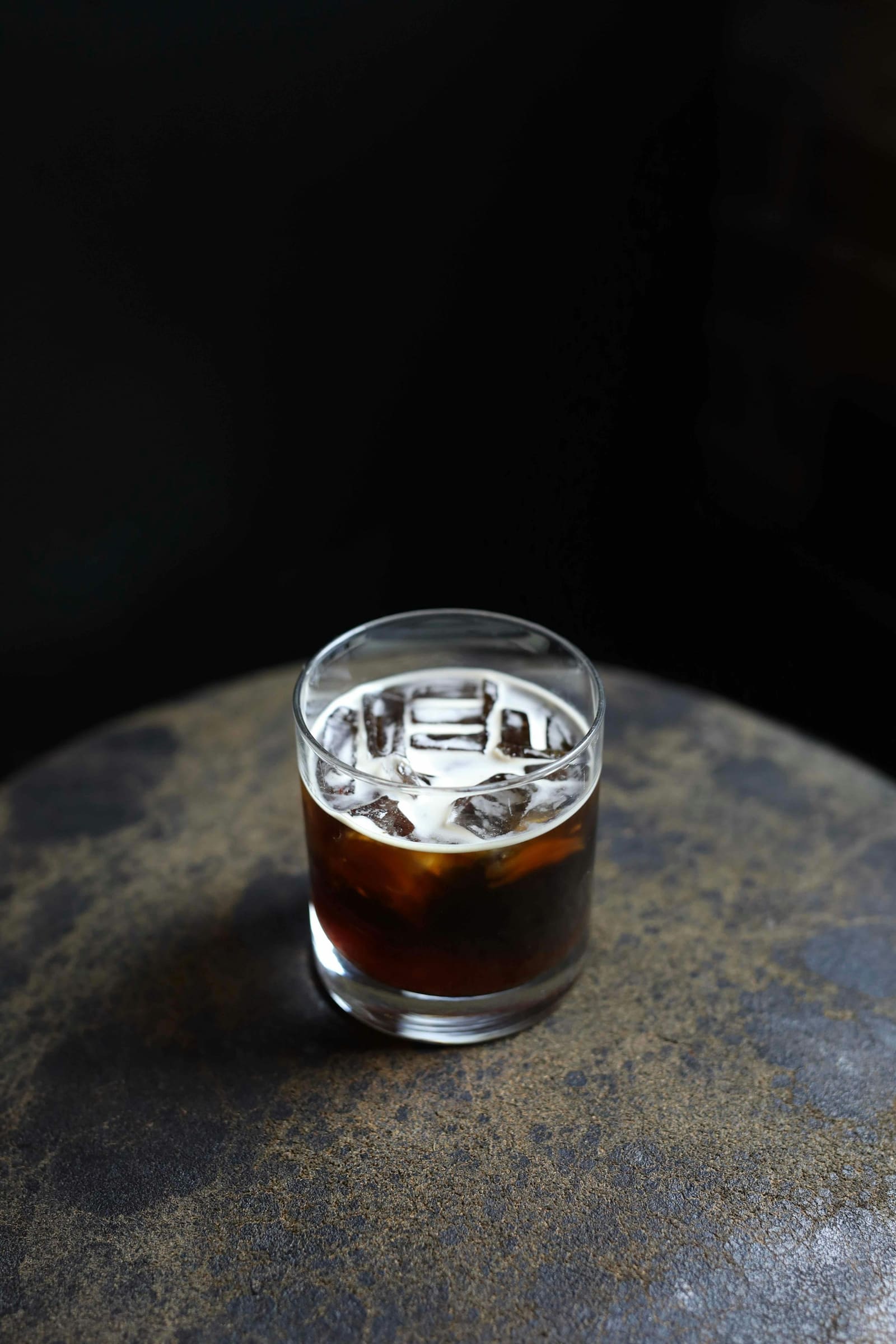
Cold brew has eaten the summer menu at every coffee shop in America. The Japanese iced method has been producing objectively better iced coffee for decades, and it takes five minutes.
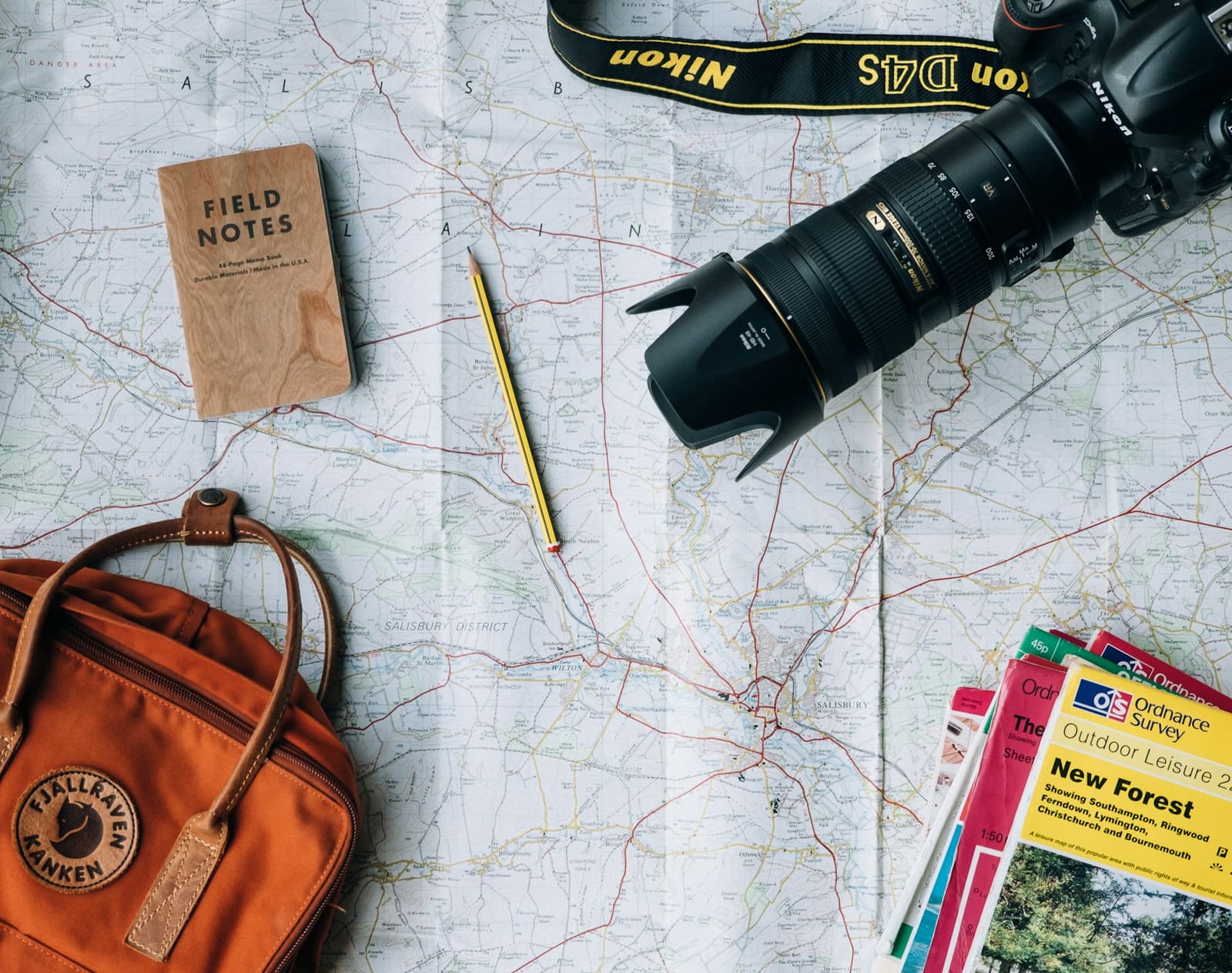
The Probat UG-22 is the most iconic drum roaster in specialty coffee. We spent a morning with Eva Marín, who inherited hers from her father, to talk about what seven decades of the same machine teaches you.
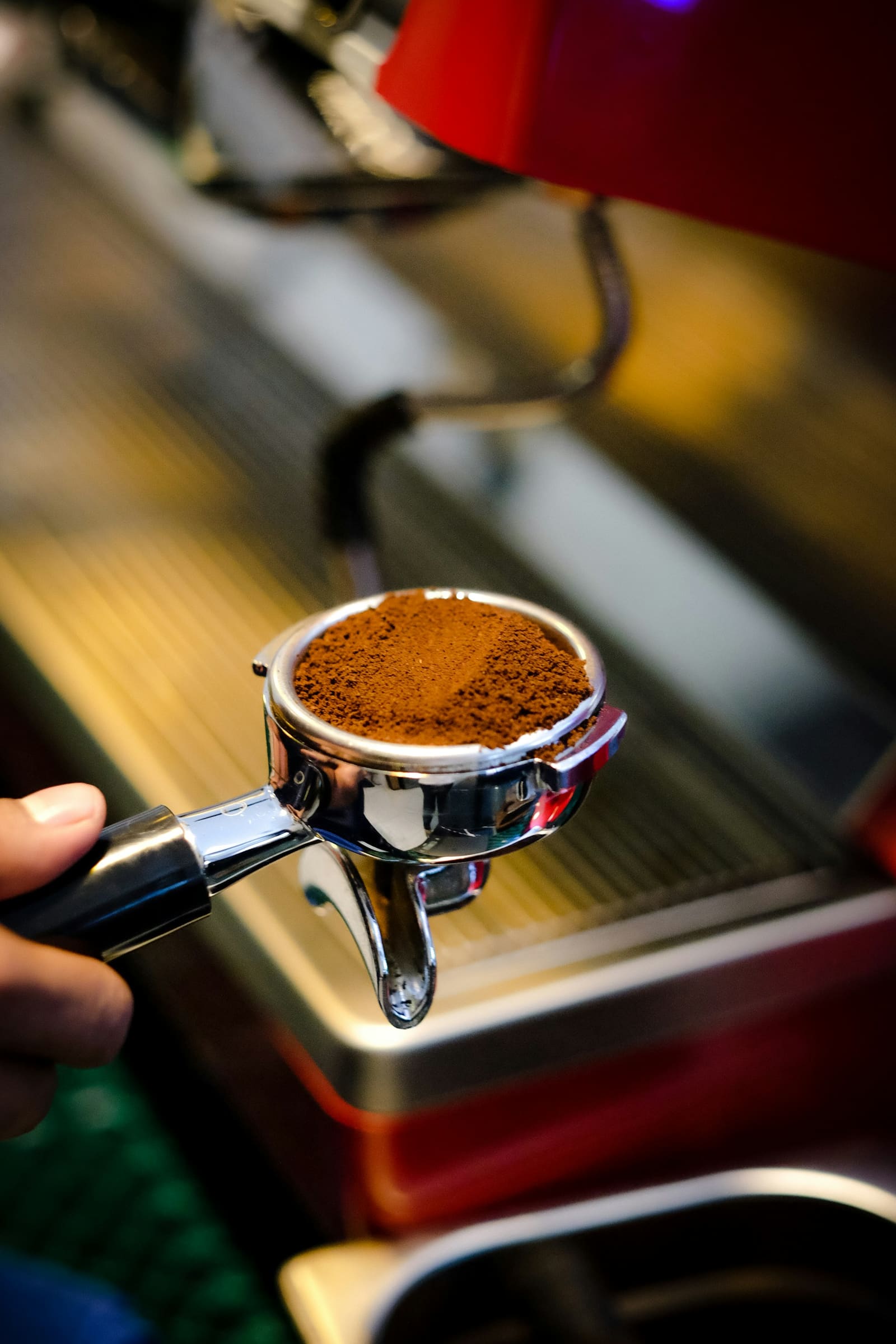
The $40 of consumables that keeps a $1,500 machine alive for a decade. A weekly, monthly, and quarterly schedule for the home espresso machines people actually own.
Strip cupping of the theater and you're left with the only thing that matters: side-by-side attention. Two mugs and a Sunday morning will teach you more than any course.