
News
Whatever Happened to Geisha?
The variety that reshaped specialty coffee fifteen years ago is now everywhere — and nowhere at the same time.
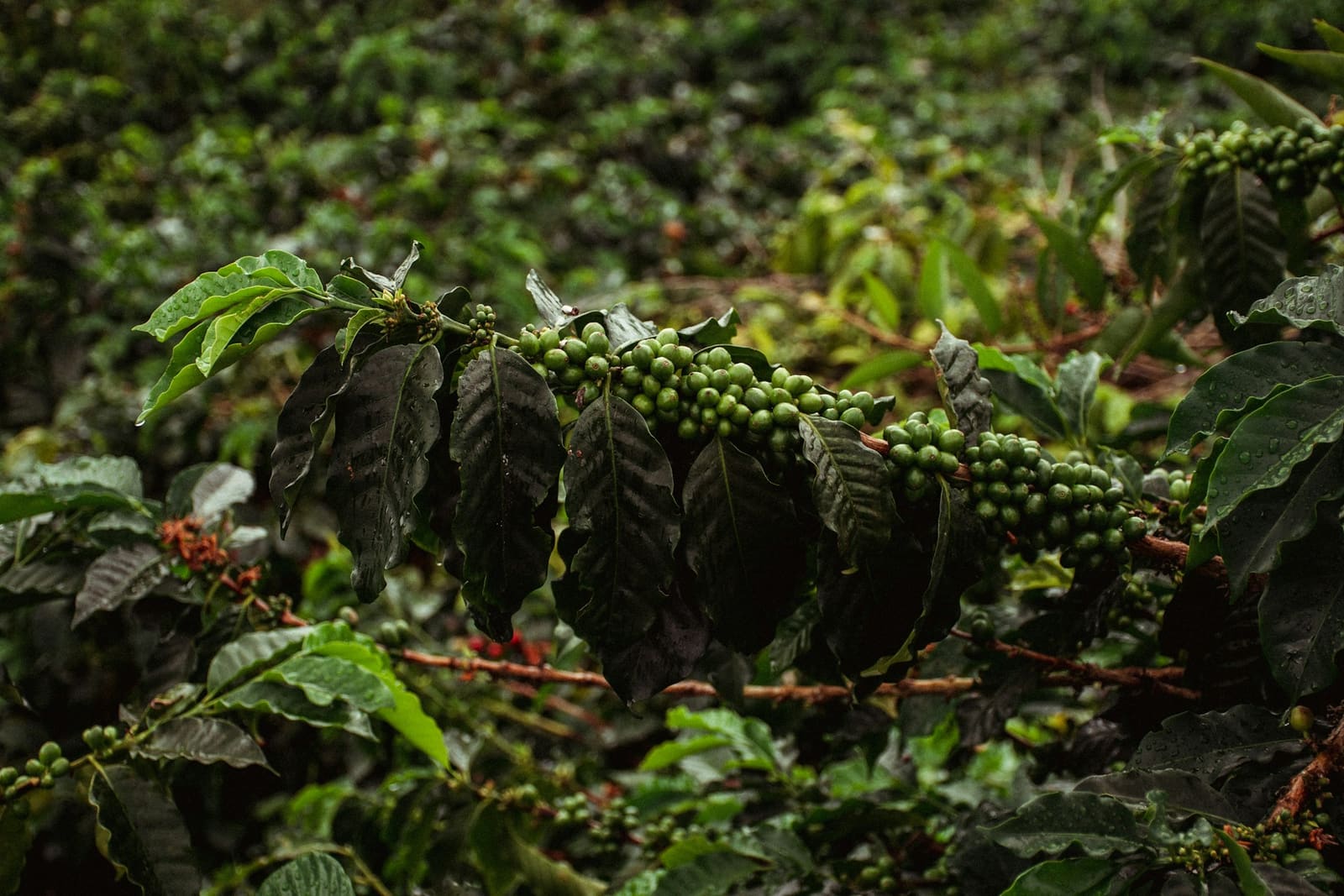
Whatever Happened to Geisha?
For about eight years, Geisha was the only coffee anyone in specialty wanted to talk about. Hacienda La Esmeralda''s Panamanian Geisha won the Best of Panama auction in 2004 at $21/lb — a price that seemed insane at the time — and kicked off an arms race that has since produced lots selling for over $10,000 per kilogram at auction.
The variety is real. Geisha''s floral, jasmine-laced, tea-like cup profile is unlike anything else in the coffee world when grown well. Side-by-side against a great washed Ethiopian Yirgacheffe, Geisha is still more delicate, more perfumed, more singular.
So why doesn''t anyone talk about it anymore?
Because the story stopped being new, and because the market did what markets do: it flooded.
Every country that thought it could grow Geisha planted Geisha. Colombia has Geisha. Costa Rica has Geisha. Honduras, Guatemala, El Salvador, Peru, even Hawaii. China has Geisha now. The result is a market where "Geisha" on a bag tells you almost nothing about what the coffee will taste like, because most of it is not grown in the conditions — extreme altitude, specific shade, very low yields — that made the original Panamanian lots extraordinary.
Much of the Geisha you see in the $25-30/12oz tier at specialty roasters today is technically the same variety, but grown at altitudes and on farms that produce a cup far closer to a good washed Caturra than to a La Esmeralda auction lot. It is often good coffee. It is rarely transcendent coffee.
The second problem: honey-processed everything
The Geisha that does still impress — the competition lots, the $50 pour-overs — has increasingly drifted toward heavy processing. Carbonic maceration Geisha. Anaerobic lactic Geisha. Koji-fermented Geisha.
These are interesting coffees. They are also not really Geisha anymore, in the sense that what you are tasting is 70% process and 30% variety. You could do the same thing to a Caturra and get 80% of the same cup for a fraction of the price.
The cruelest irony of the Geisha boom is that the coffees most loyal to the original story — washed, gently dried, coaxed — are harder to find every year.
Where the variety is actually winning
Quietly, two things are happening that give me hope.
First, second-generation Geisha farms in Colombia and Costa Rica — farms planted in 2014-2016 that are now hitting their first productive peak on mature trees — are producing washed Geisha lots at the $30-40/lb tier that are genuinely impressive. Not competition lots, but honest coffees with the classic jasmine-bergamot-stone fruit profile at a price a normal person can justify.
Second, producers in Panama and Ethiopia (where the variety originated) are pushing experimental processing alongside classical washed lots, not instead of them. You can buy both from the same farm, same harvest, and actually taste what the variety brings on its own.
What to buy right now
If you have never had real Geisha: look for a washed 1,800m+ lot from Panama or Colombia in the $35-50/12oz range. Peak roast — within 10-14 days of the roast date. Brew it as a medium-dose pour-over, 1:16 ratio, at 195°F. Drink it at cup temperature, then again when it has cooled to room temperature.
If you have been drinking Geisha for years and stopped feeling anything: find a roaster who sources a single farm year-over-year. Same farm, same washed process, different harvests. That is where the Geisha conversation gets interesting again — terroir, harvest quality, year-over-year variation. It is the conversation specialty coffee has with every other variety. We just stopped having it about Geisha somewhere around 2018.
The variety is not done. The hype cycle just ended. What is left is coffee, grown on farms, by people, with good and bad years. The way it was always supposed to be.