How-To Guides
How to Descale, Backflush, and Actually Maintain Your Espresso Machine
Most espresso machine failures are preventable. A plain-language maintenance calendar for the machines people actually own — Bambino, Silvia, Gaggia Classic, Bianca — before the gaskets give out and the service tech starts asking questions.
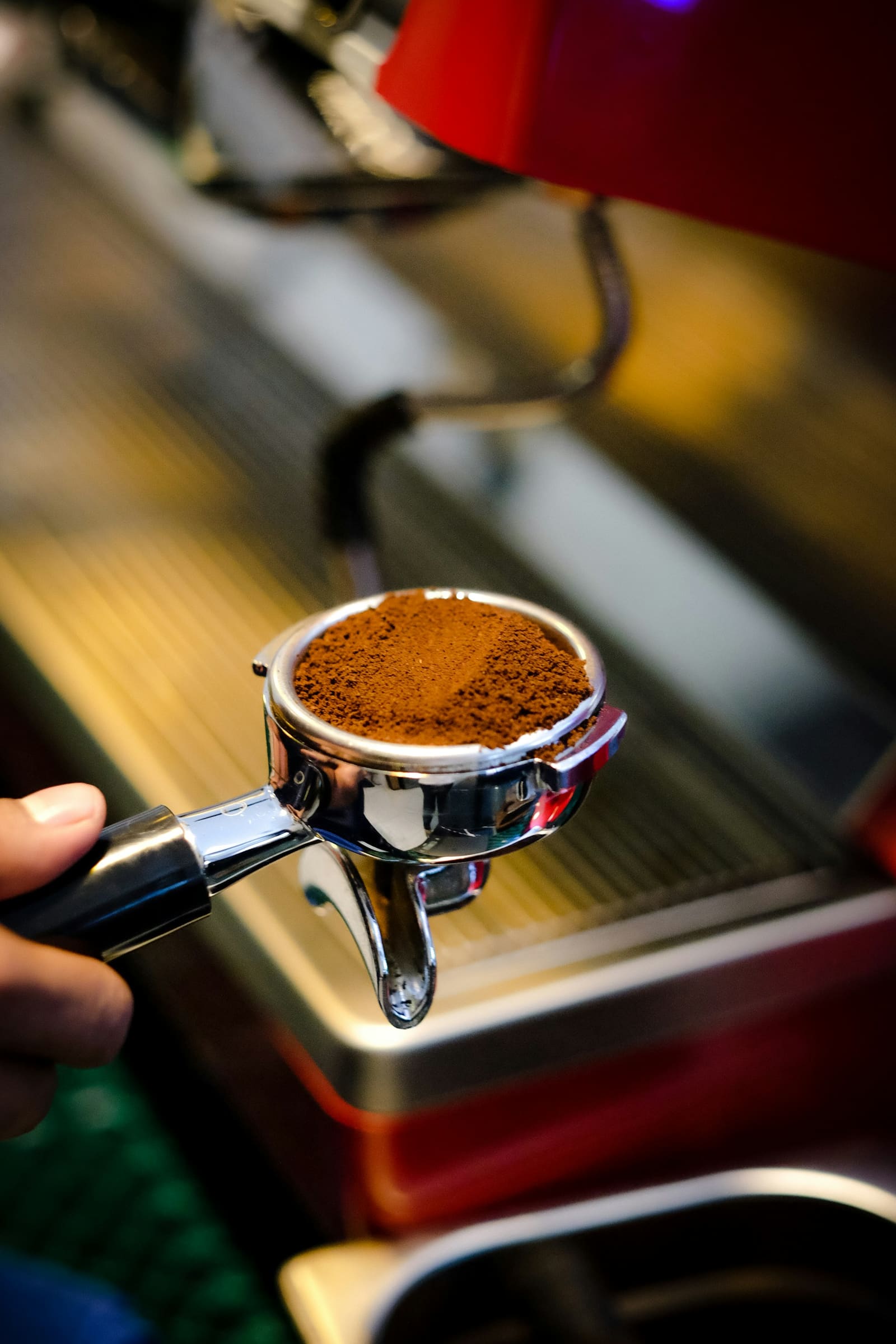
The espresso machine in my kitchen is a Lelit Bianca. It's four years old and runs like new. I know this because I've maintained it obsessively — not because I'm a neat freak, but because a technician once showed me a Breville Oracle that had come in for service with channeling issues, pulled the shower screen, and the group head looked like the inside of a drainpipe. Two years of backflush residue, scale deposits, and rancid coffee oil, layered like sediment. The shots had been running slower for eight months before the owner noticed.
The machine cost $1,400. The service bill was $240. All of it was preventable with about ten minutes of maintenance per week.
The truth about espresso machine upkeep is that it's less complicated than the manuals make it seem, and more important than most owners treat it. Here's a calendar that actually maps to how people use these machines.
Weekly: the things that take three minutes
After every shot session, before you put the machine to sleep, do this: remove the portafilter, dump the puck, rinse the basket under hot water, and wipe the group head with a damp cloth. That wipe takes 30 seconds. It removes the coffee residue that would otherwise bake onto the shower screen and harden.
Once a week — pick a day, make it a habit — do a rinse backflush. Lock an empty portafilter (or a blind basket if you have one) into the group head, run a 10-second brew cycle, release, repeat three or four times. You're flushing any accumulated oils back through the system. No chemical, just water. This is non-negotiable for machines with a solenoid valve — Bambino, Silvia, Gaggia Classic, any E61 machine including the Bianca. Machines without a solenoid (the Moka-style Flair, non-pump machines) don't backflush.
If you don't have a blind basket, a backflush disc or a $6 rubber insert from any espresso supply shop will work. Buy one. It's the cheapest maintenance part you'll ever purchase.
While you're there: wipe the steam wand. Every time you steam milk, residue dries on the tip within minutes. A damp cloth while it's still warm takes two seconds. Letting it dry and harden takes a metal tool and swearing to remove later.
Monthly: the things that require five minutes and a brush
Once a month, do a chemical backflush. The process is identical to the rinse backflush, but with a small amount of espresso machine cleaner in the blind basket. Cafiza (Urnex) or Puly Caff are the two standard options. Use about 0.5g — a small pinch. Not a full tablet, not a heaping dose. The instructions on the container are generous; real-world experience says half as much is plenty.
Chemical backflush cycle: 10 seconds on, 10 seconds off, repeat six times. Then run three clean-water rinse backlashes to purge the cleaner. Then pull a blank shot (no coffee, just water) to flush any residual taste before brewing. It should taste like clean water. If it tastes like cleaner, run another rinse.
Remove the shower screen and soak it in a cup of hot water with a pinch of Cafiza for five minutes, then brush it with a small stiff brush. The holes in the shower screen clog with fine oils and eventually restrict flow. You'll see the residue lift immediately when you brush it — dark brown or black streaks in the water. That residue was ending up in your shots.
Inspect the group head gasket. It's the rubber ring that seals the portafilter to the group head. Run your finger around it. If it's cracked, hardened, or has developed a flat spot, replace it. A Breville Bambino gasket is $8 and takes five minutes to swap with a flathead screwdriver. A worn gasket causes channeling and uneven extraction, and most people blame their grinder.
Quarterly: descaling, the one people skip
Scale — calcium carbonate deposits — builds up inside the boiler and thermoblock over time, depending entirely on your water hardness. Soft water (below 100 ppm) barely scales. Hard water (200+ ppm) can clog a boiler in six months. Most municipal water in the U.S. falls between 100 and 200 ppm.
Descaling is the maintenance step people skip, and it's also the step that causes the most machine failures when skipped. Scale builds in the boiler, reduces heat transfer efficiency, and eventually causes localized overheating, burned elements, and sensor failures. A machine that used to reach brewing temperature in 30 seconds and now takes two minutes has a scale problem.
Most machines have a descaling mode — consult your manual, and actually do it. On the Bambino, the descaling cycle is fully automatic: enter descaling mode, pour the recommended amount of Breville's descaler (or Dezcal) diluted in the water tank, run the cycle, refill with clean water, run the rinse cycle. Forty minutes, all in. On the Rancilio Silvia or Gaggia Classic, the process is manual: drain the boiler, fill it with descaling solution, run a partial cycle to push it through the thermocouple and steam wand, soak for 20 minutes, flush with three full tanks of clean water.
How often: if your water is soft (below 100 ppm TDS), descale every 6–9 months. Hard water: every 3 months. Very hard water: buy a water filter. Brita filters remove chlorine but not hardness; you want a dedicated mineral-reduction filter or an inline filter like the BWT Bestmax for your machine's water line if you're running a plumbed setup.
Descaling is also when you should replace the steam wand tip if it's partially clogged. Soak the tip in a cup of descaler solution for a few minutes, run a thin pin through the holes, rinse. If holes are permanently blocked, a new tip is under $10.
Machine-specific notes
Breville Bambino and Bambino Plus: weekly rinse backflush is mandatory; the thermojet heating system responds badly to oil buildup. Chemical backflush monthly. Descale every 3 months because Brevilles tend to live in hard-water kitchens and the machines are designed around Breville's descaling solution specifically (though Dezcal works too). Watch for the steam wand getting sluggish — that's usually scale in the tip, not the boiler.
Rancilio Silvia: the portafilter basket develops channeling wear over time on the weld points. After two or three years, buy a VST 14g or 18g precision basket — it's $26 and the shots immediately improve. Keep the original for guests who won't notice. Chemical backflush monthly, but don't overdo the Cafiza — the Silvia's gaskets are sensitive to detergent residue. Rinse meticulously.
Gaggia Classic (all versions): same backflush protocol as the Silvia. The Classic's group head gasket is the single most-replaced part in home espresso — buy a three-pack when you buy the machine. Replace it annually whether or not it looks worn, because by the time it visibly cracks, you've been channeling for two months.
E61 machines (Lelit Bianca, ECM Classika, Rocket Appartamento, and most commercial-style home machines): these have a mushroom valve in the group head that requires occasional cleaning — it's a small spring-loaded piece that can gum up with mineral deposits and cause the pre-infusion to behave erratically. Remove it every six months, rinse with descaler, brush, replace. Your manual will show you how; it looks intimidating and takes four minutes.
The thing nobody reads until it's too late
The water you use determines 90% of your descaling frequency and a significant chunk of your shot quality. If you're on hard city water above 150 ppm, get it tested or just buy a $5 TDS meter, and filter or soften before it goes in the tank. A simple workaround: mix 50/50 distilled water with your tap water to cut hardness in half. It's inelegant but effective.
The other thing nobody reads: dry the group head gasket area after cleaning. Water left sitting under the portafilter collar accelerates rubber degradation. Wipe it out every time.
What preventive maintenance costs vs. what it saves
A set of consumables for one full year of maintenance on a home machine — Cafiza, Dezcal, two replacement gaskets, a blind basket — costs roughly $40. A service call to a qualified espresso technician costs $100–300 before parts, in most cities, and can book out 3–4 weeks.
The Bambino owner with the pipe-sediment group head paid $240. The parts were $30. The other $210 was a technician's time, plus two weeks without espresso.
Spend the $40. Do the cleaning. The machine you're protecting probably cost more than your laptop, and it requires about as much maintenance as a cast-iron pan.
A machine that's clean runs at temperature faster, pulls shots more evenly, and steams milk more consistently. None of those are small things. Wipe the wand while it's warm. The shot you're pulling tomorrow will taste it.