How-To Guides
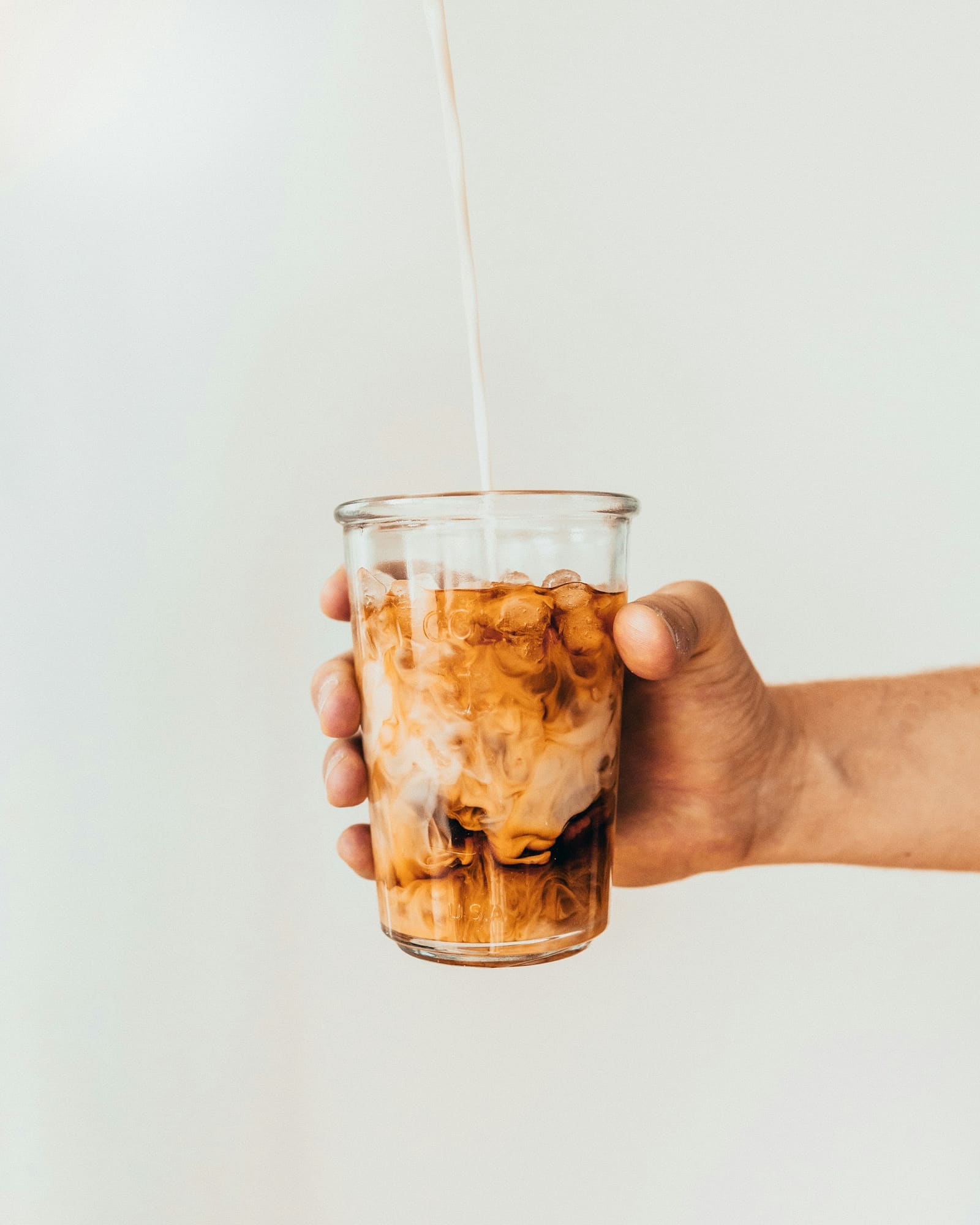
Cold Brew Season: The Real Recipe (And Why Yours Tastes Watery)
Most home cold brew is weak, watery, and slightly stale. The fix isn't equipment. It's ratio, time, and choosing the right bag of beans for the method.
By Nora

How-To Guides
Step-by-step techniques for pulling shots, dialing in grinders, and brewing better coffee at home.
Most home cold brew is weak, watery, and slightly stale. The fix isn't equipment. It's ratio, time, and choosing the right bag of beans for the method.
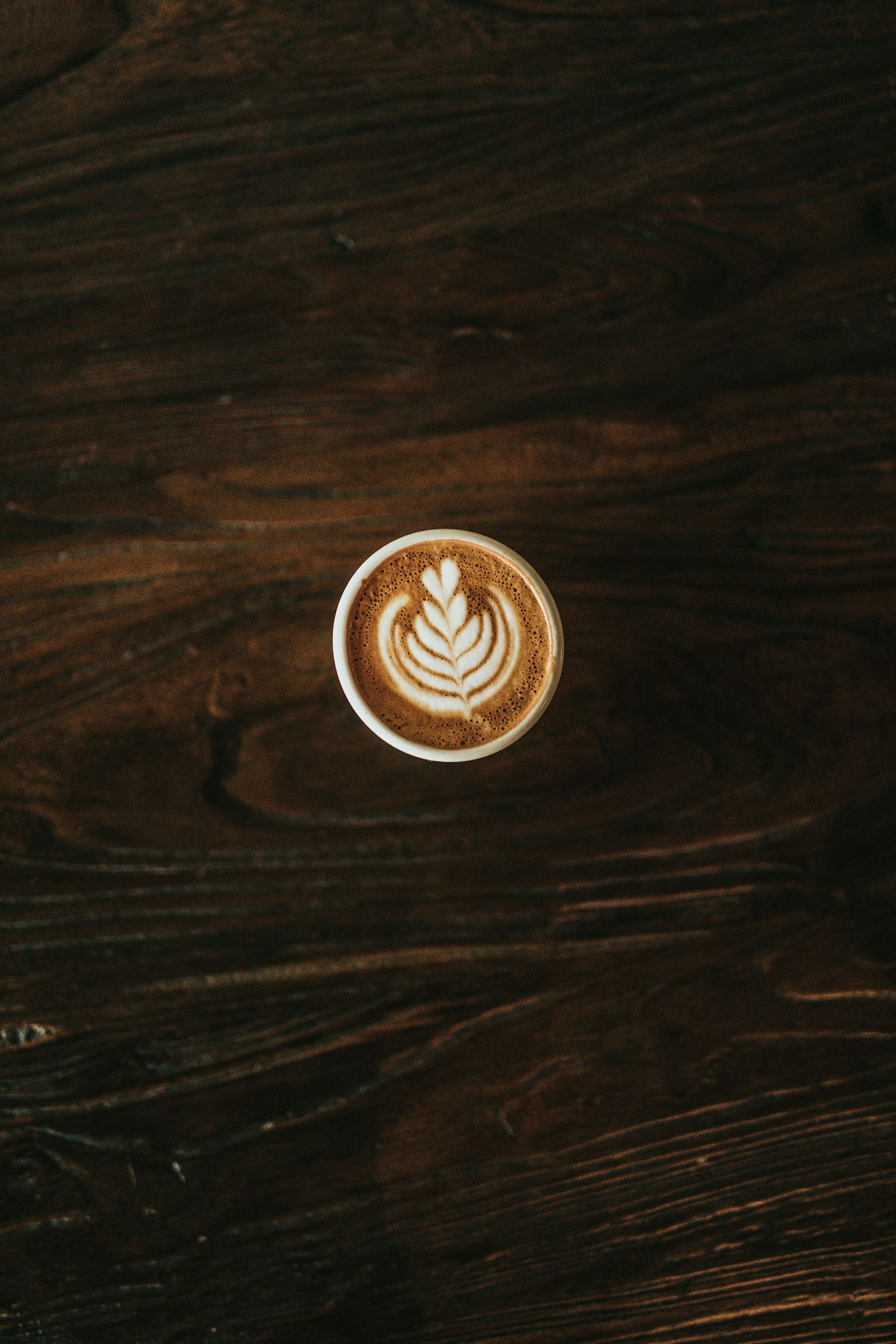
The cafes have made the milk drink menu nearly unreadable. Here are the actual ratios, the temperatures that matter, and the pour that turns a milky espresso into a cortado.
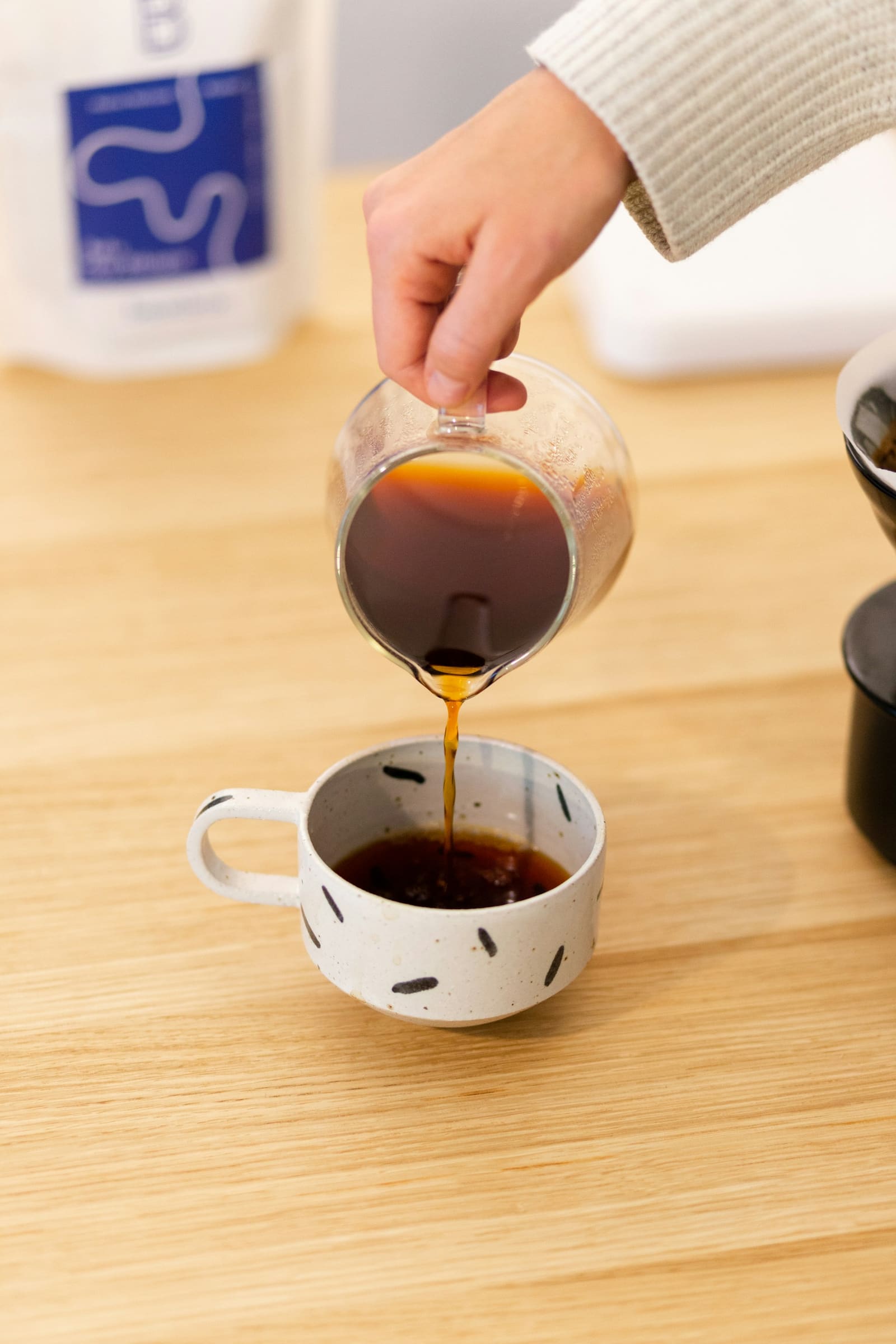
Channeling is why your V60 tastes flat — not your grinder, not your beans. Here's the pour technique competition baristas use to keep water off the paper and in the bed where it belongs.
Refractometers are a tool, not a goal. The pursuit of a magic extraction percentage has produced a generation of baristas brewing technically-correct, joyless cups of coffee.
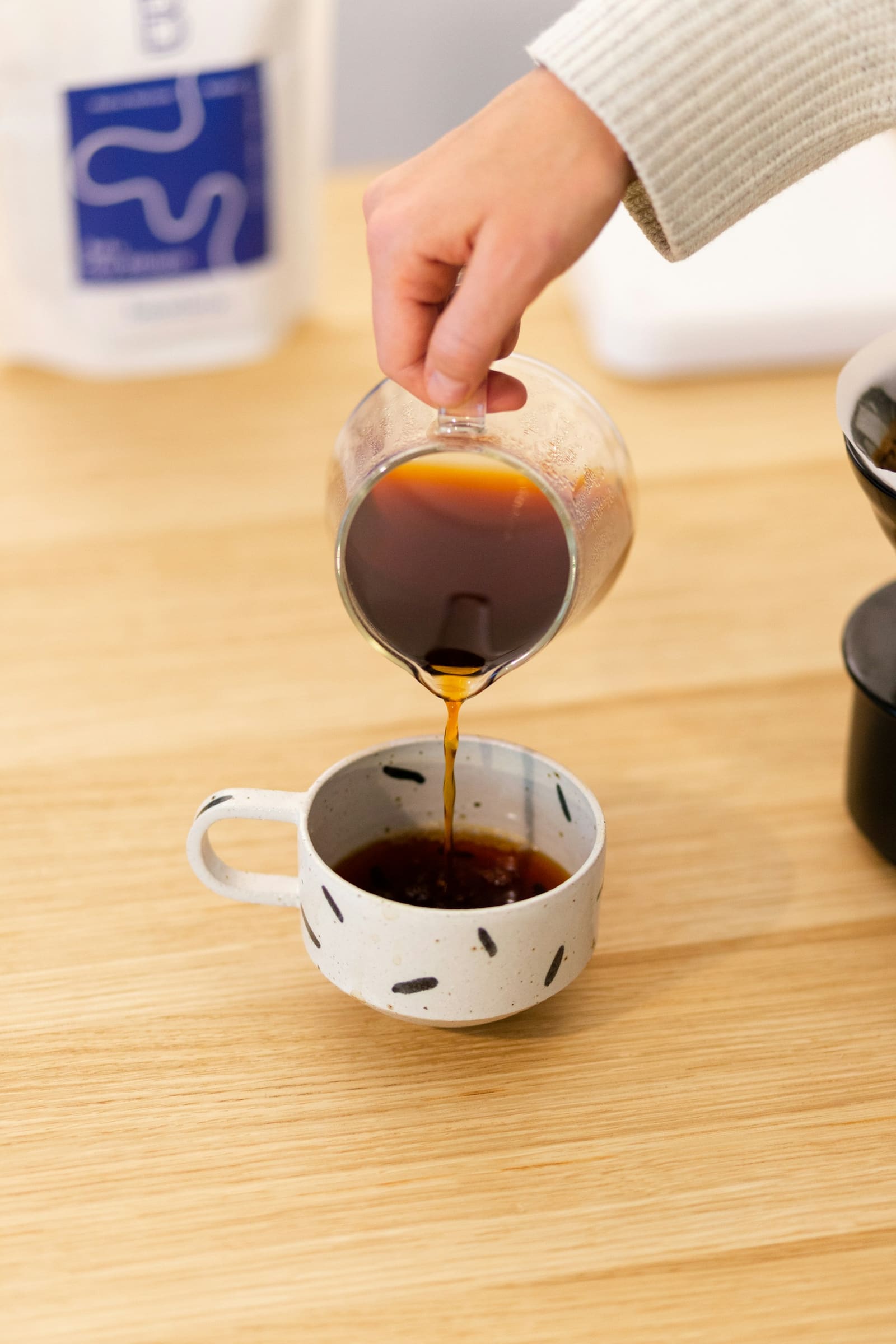
Stop wasting half a bag chasing your tail. Change one variable at a time, in the right order, and any new coffee opens up by the third morning.
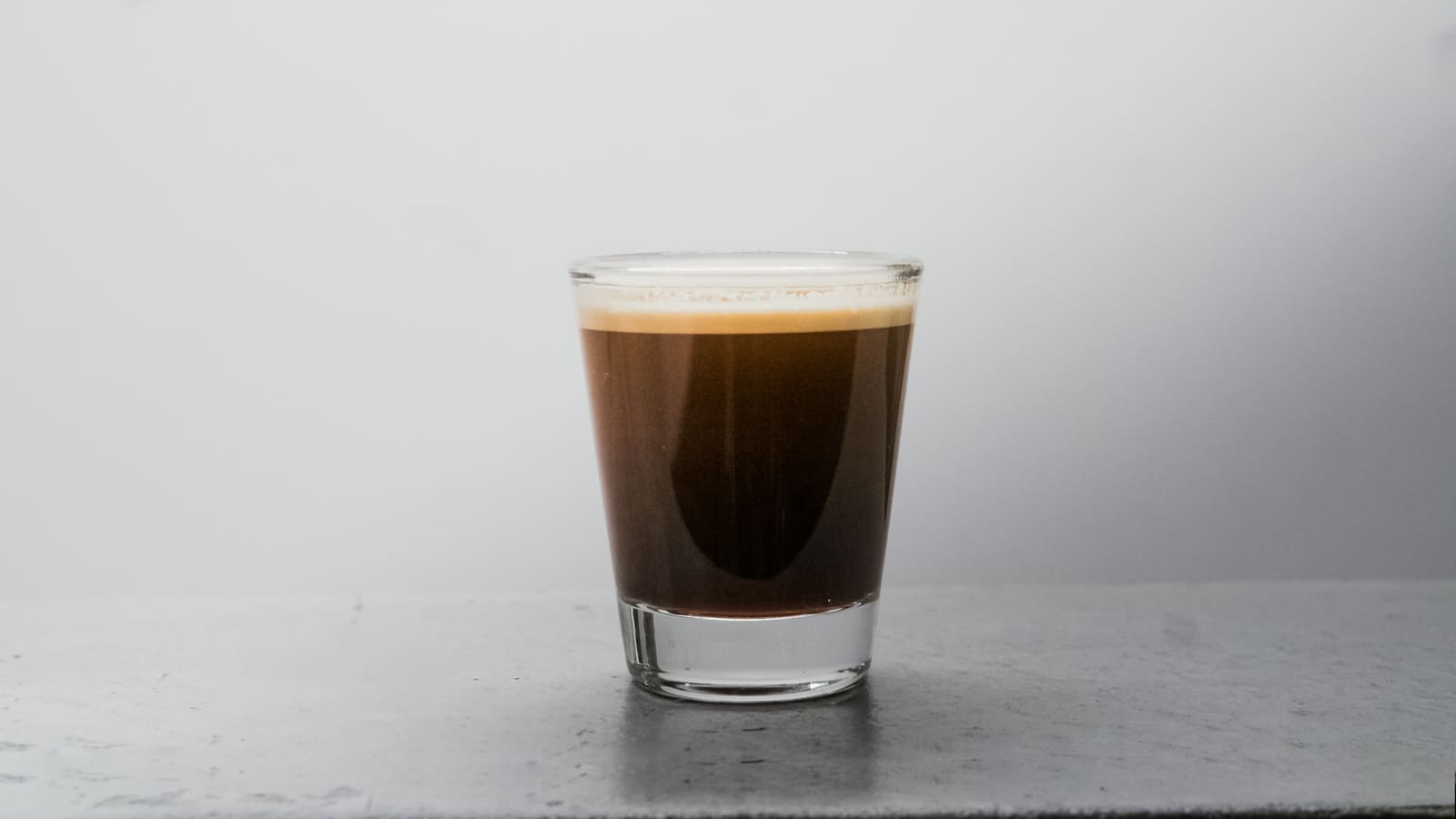
Low-dose espresso is the most misunderstood technique in specialty coffee right now. Done right, it unlocks light roasts that refuse to extract any other way. Done wrong, it is just weak coffee.
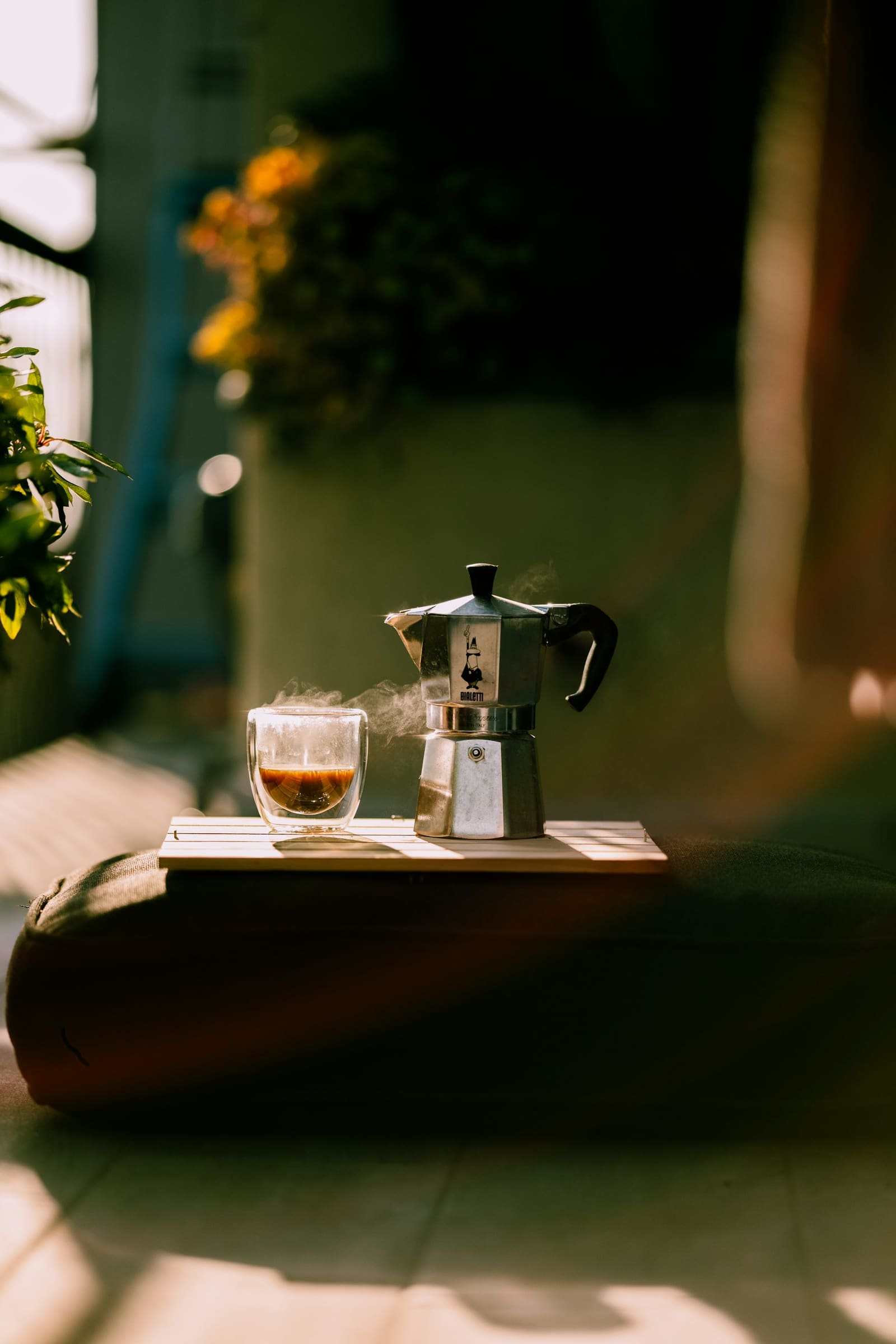
The moka pot you own makes burnt coffee because everyone gets the heat wrong. Drop to medium-low, pull it off at the first sputter, and the same pot makes a different drink.
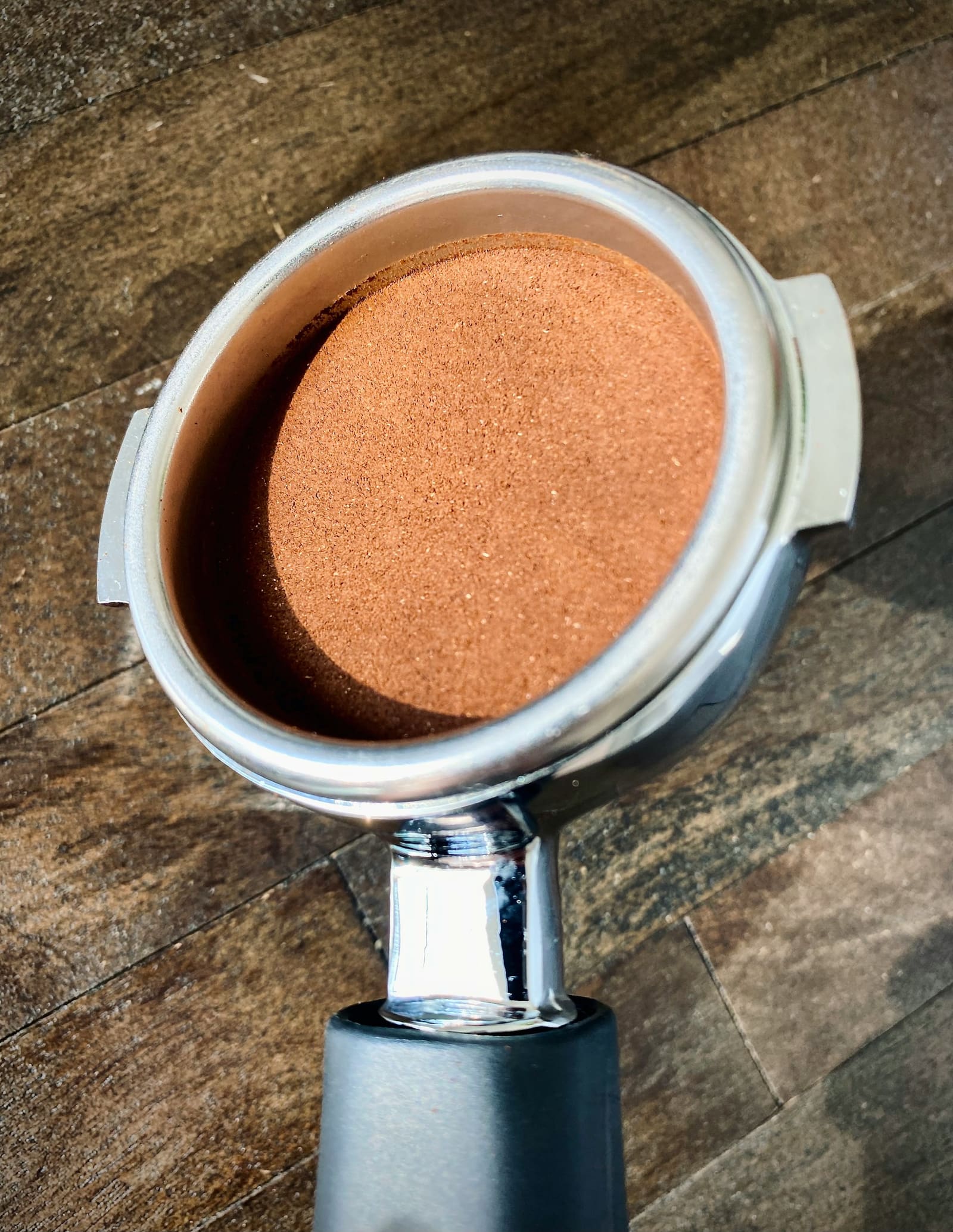
Puck screens are marketed as a cure-all for channeling, but they solve a problem most home setups do not have. Here is what they actually do — and when they make things worse.
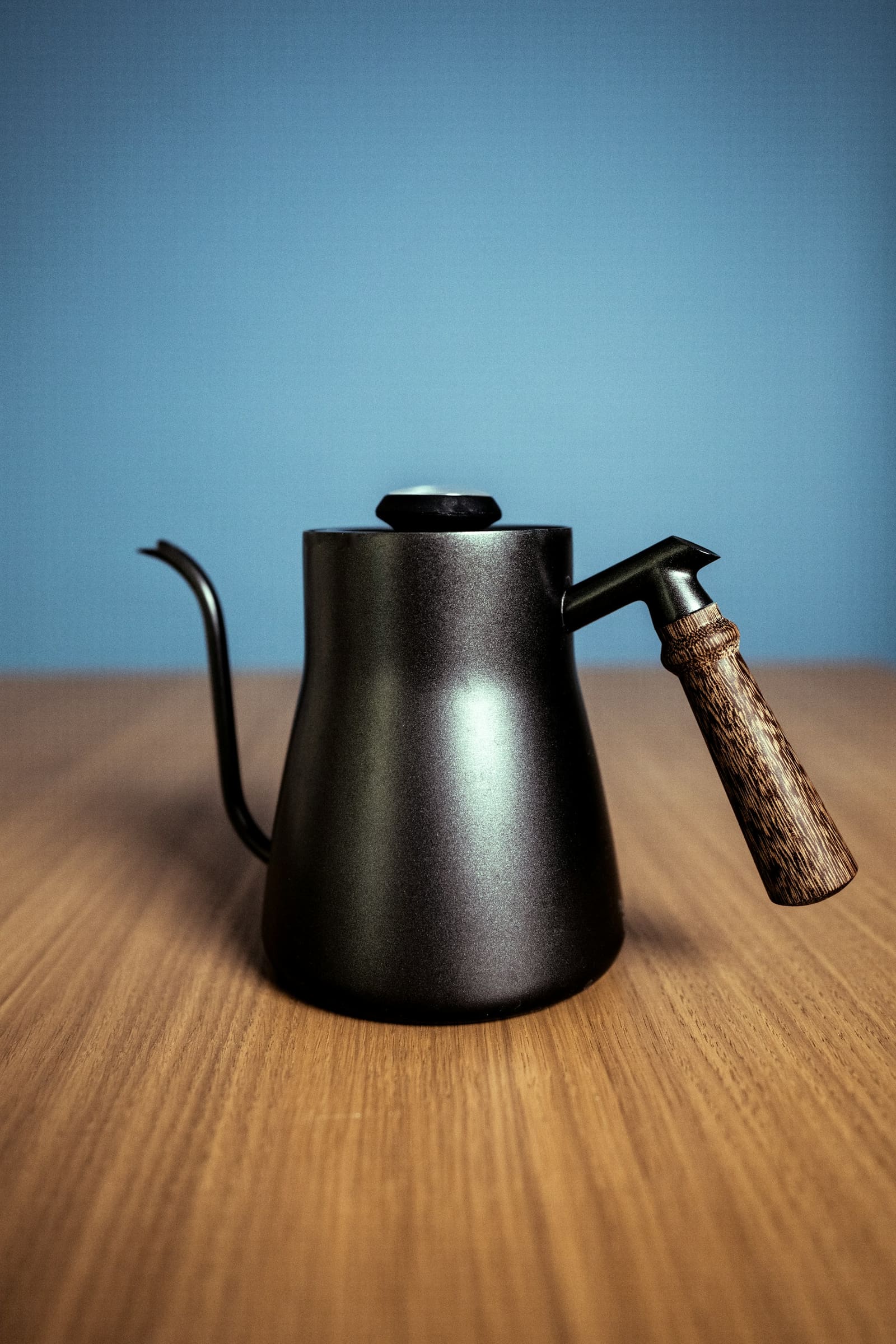
You spent $400 on a grinder, $3,000 on an espresso machine, and $24 on a bag of beans. Then you brewed it with tap water that's wrong for coffee. This is fixable.
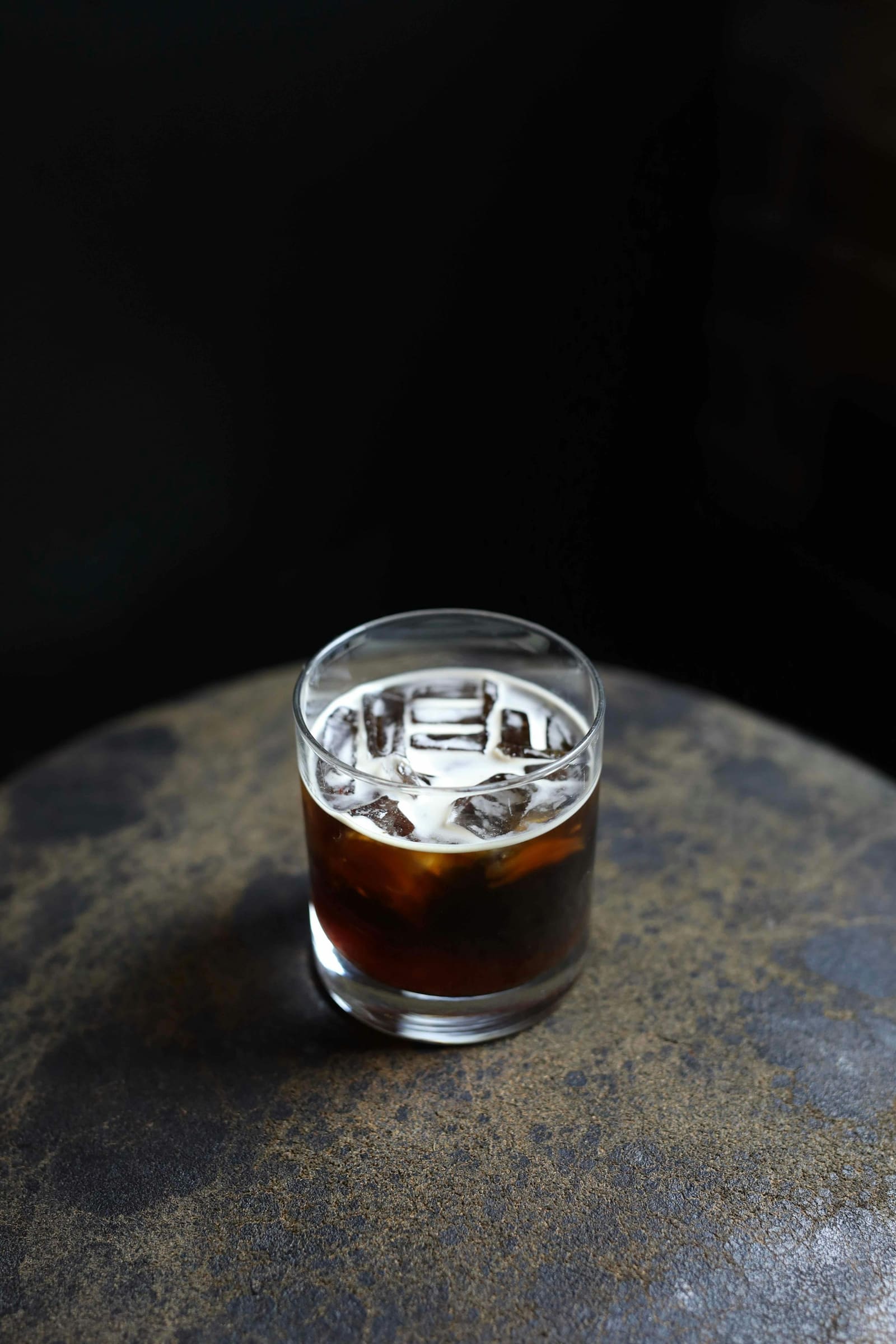
Cold brew has eaten the summer menu at every coffee shop in America. The Japanese iced method has been producing objectively better iced coffee for decades, and it takes five minutes.
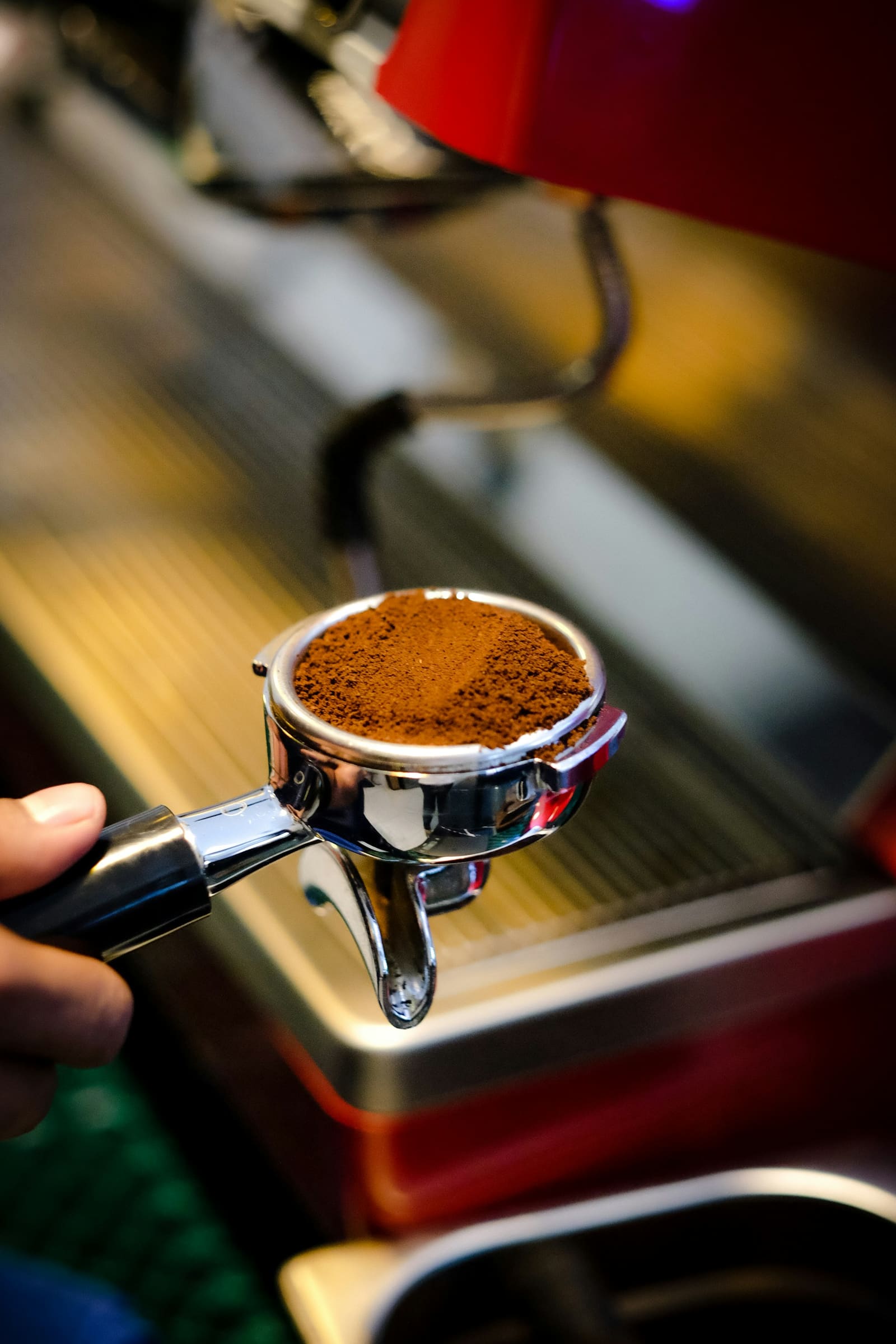
The $40 of consumables that keeps a $1,500 machine alive for a decade. A weekly, monthly, and quarterly schedule for the home espresso machines people actually own.
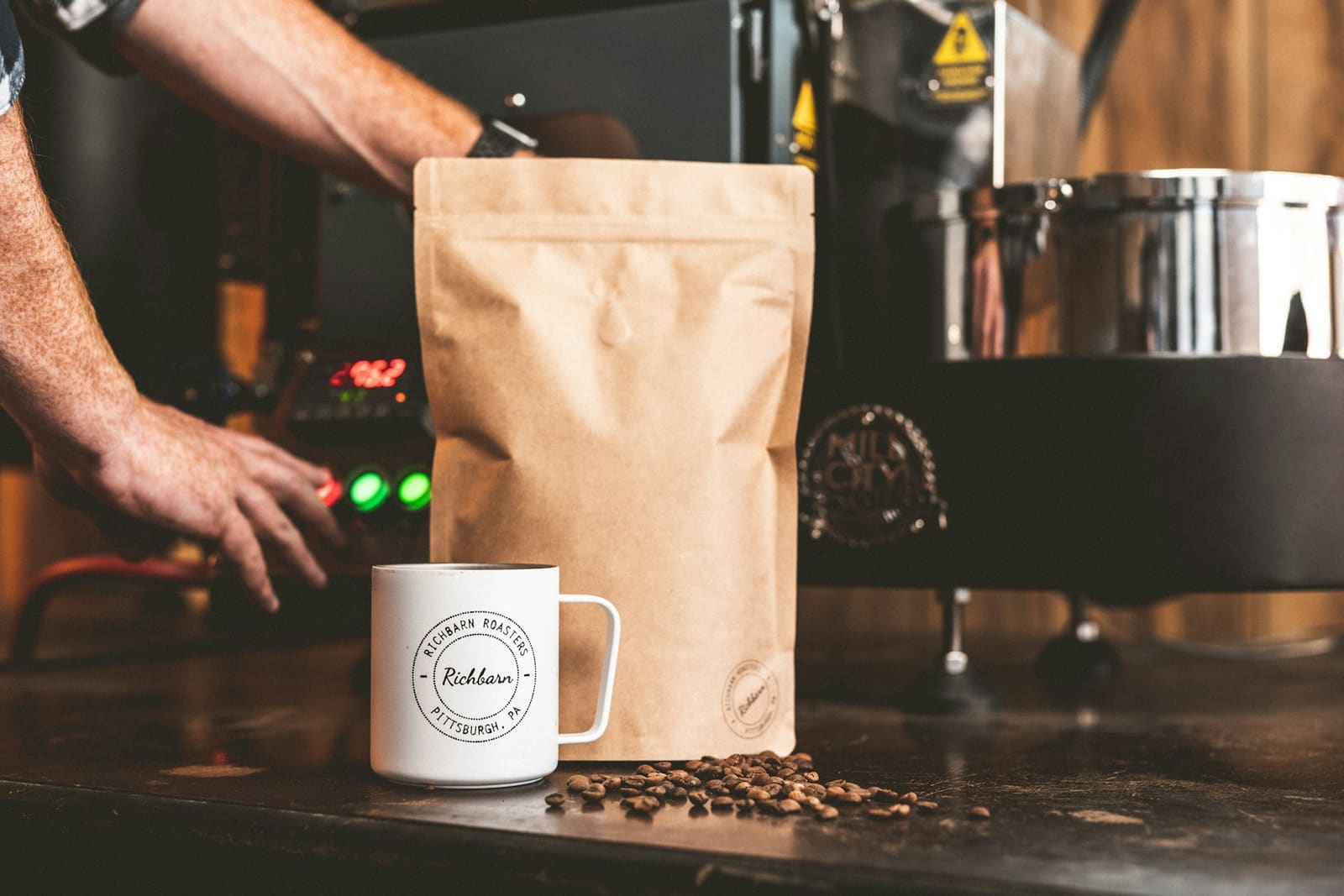
Strip cupping of the theater and you're left with the only thing that matters: side-by-side attention. Two mugs and a Sunday morning will teach you more than any course.