How-To Guides
Japanese Iced Coffee Beats Cold Brew, and It is Not Close
Why dripping hot coffee straight onto ice produces a better cup than 18 hours of cold steeping — and how to make it in five minutes.
Japanese Iced Coffee Beats Cold Brew, and It is Not Close
Cold brew is everywhere. Every cafe has it on tap, every grocery store sells it in bottles, every home coffee drinker has a Toddy system or a mason jar of grounds steeping in the fridge overnight. It is the default summer coffee in America.
It is also the inferior iced coffee method by almost every measure.
The superior method — Japanese iced coffee, sometimes called flash-chilled coffee — is roughly 60 years old, takes five minutes to make, and produces a cup that is brighter, clearer, more aromatic, and tastes more like the beans you bought. The fact that cold brew dominates the market is a marketing and logistics victory, not a flavor one.
Why Japanese iced wins on flavor
The core difference is temperature during extraction. Cold brew pulls flavor from coffee at room temperature or refrigerator temperature over 12-24 hours. At low temperatures, many of the most interesting flavor compounds in coffee — delicate floral aromatics, bright fruit acids, subtle florals — simply do not extract. What you end up with is a cup heavy on low-solubility compounds (body, chocolate, nutty notes) and light on the aromatics that make specialty coffee specialty.
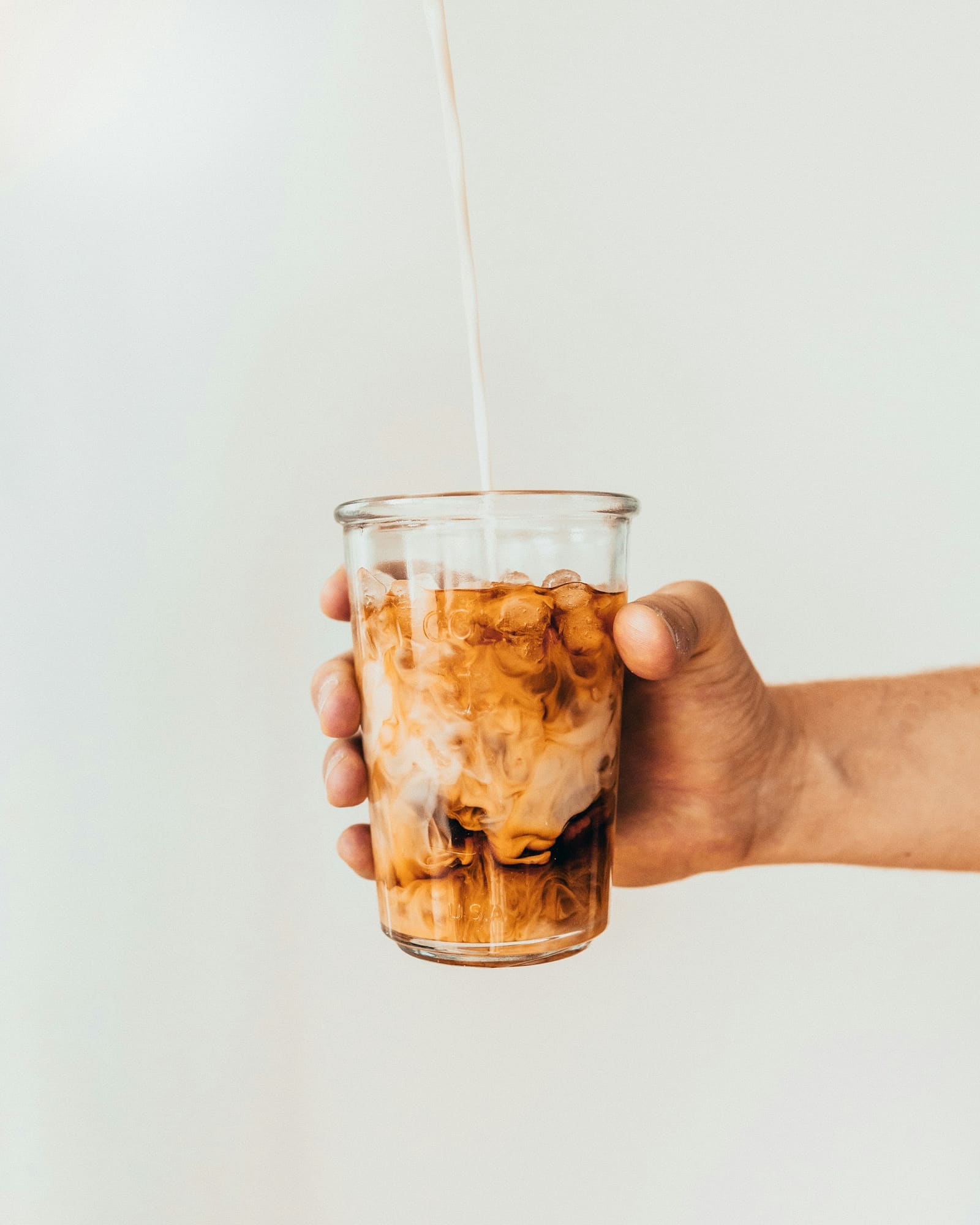
Japanese iced does the opposite. You brew a normal hot cup of coffee at normal hot-coffee temperatures, and you brew it directly onto ice so it chills in seconds. Every aromatic compound that would normally evaporate from a hot cup as it cools over 30 minutes is trapped in the cold liquid. The result: an iced coffee that tastes bright, aromatic, alive — more like your hot V60 than like sweetened chocolate milk.
Why cold brew has eaten the market
Two reasons, neither of them about cup quality:
- Logistics. You can make 10 liters of cold brew in a single batch in a walk-in, store it for a week, and dispense it from a keg. That is an operational dream for cafes serving hundreds of iced coffees a day. Japanese iced has to be brewed to order (or in small batches every hour), which means more labor and more waste.
- Forgiveness. Cold brew tastes the same made with mediocre beans as it does with great beans. The low-temperature extraction flattens out origin character. For high-volume grocery products, this is a feature — your $14 bottle of cold brew tastes consistent across three different sourcing changes because none of the subtle characteristics survive the process.
Both of those are about producing cold brew cheaply and consistently. Neither is about it tasting better.
How to make Japanese iced at home
Simple. The only thing that changes from your normal V60 is the water math.
Recipe for one cup:
- 20g coffee, ground for standard pour-over (just slightly coarser than you would grind for drip)
- 150g total water (hot, 93-96°C)
- 150g ice (weigh it)
- V60, Kalita, or any dripper you already use
Method:
- Put the 150g of ice directly in the decanter you will brew into.
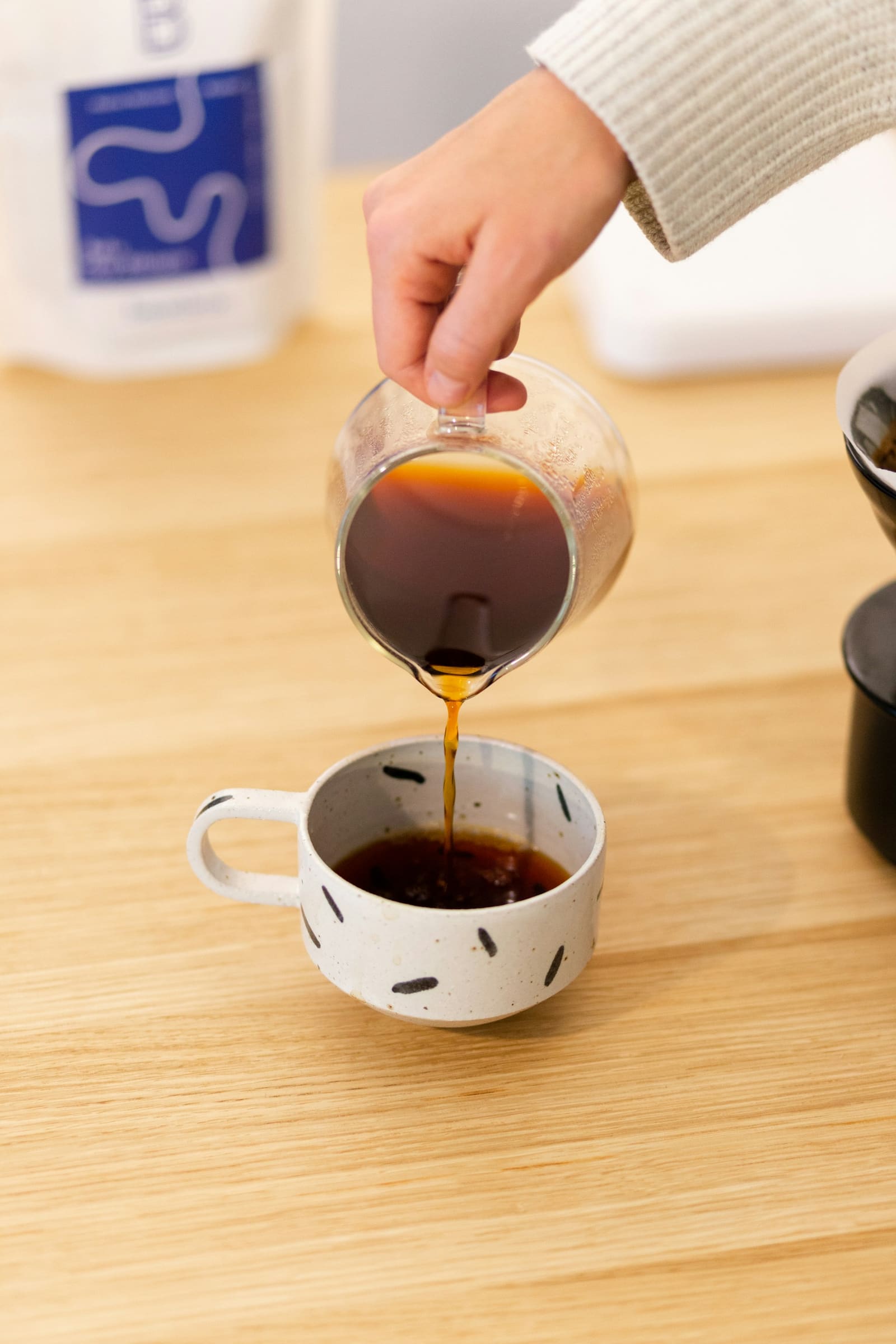
- Put the dripper on top with a rinsed paper filter and 20g of coffee.
- Bloom with 40g hot water for 30 seconds.
- Pour the remaining 110g of hot water in a slow spiral over the next 1:30 to 2:00.
- The hot coffee hits the ice and chills instantly. Total water in the cup after ice melt: approximately 300g. Swirl the decanter, pour over fresh ice in a glass, drink immediately.
That is it. The ratio is 1:15 on a concentrate basis (150g water to 20g coffee) that becomes 1:15 on a final beverage basis (300g total liquid to 20g coffee) once the ice melts. You lose no concentration, gain all the aromatics, and have iced coffee in five minutes.
The honest trade-off
Cold brew has one real advantage: cost. Beans brewed as cold brew can be cheaper, rougher, less fresh, and still taste fine. If you are drinking iced coffee daily and budget is the main variable, cold brew lets you drink cheaper beans without noticing.
For any other reason — tasting origin character, drinking specialty coffee, enjoying the aromatics that drew you to good coffee in the first place — Japanese iced is better. Every time.
Try it tomorrow morning. Same beans, same grinder, same dripper. Just rearrange the order of the ingredients. The cup will tell you which method to use for the rest of the summer.