How-To Guides
Low-Dose Espresso Is a Real Technique, Not a Gimmick
Why pulling 14 grams through an 18-gram basket makes sense on light roasts — and when it ruins your shot.
Low-Dose Espresso Is a Real Technique, Not a Gimmick
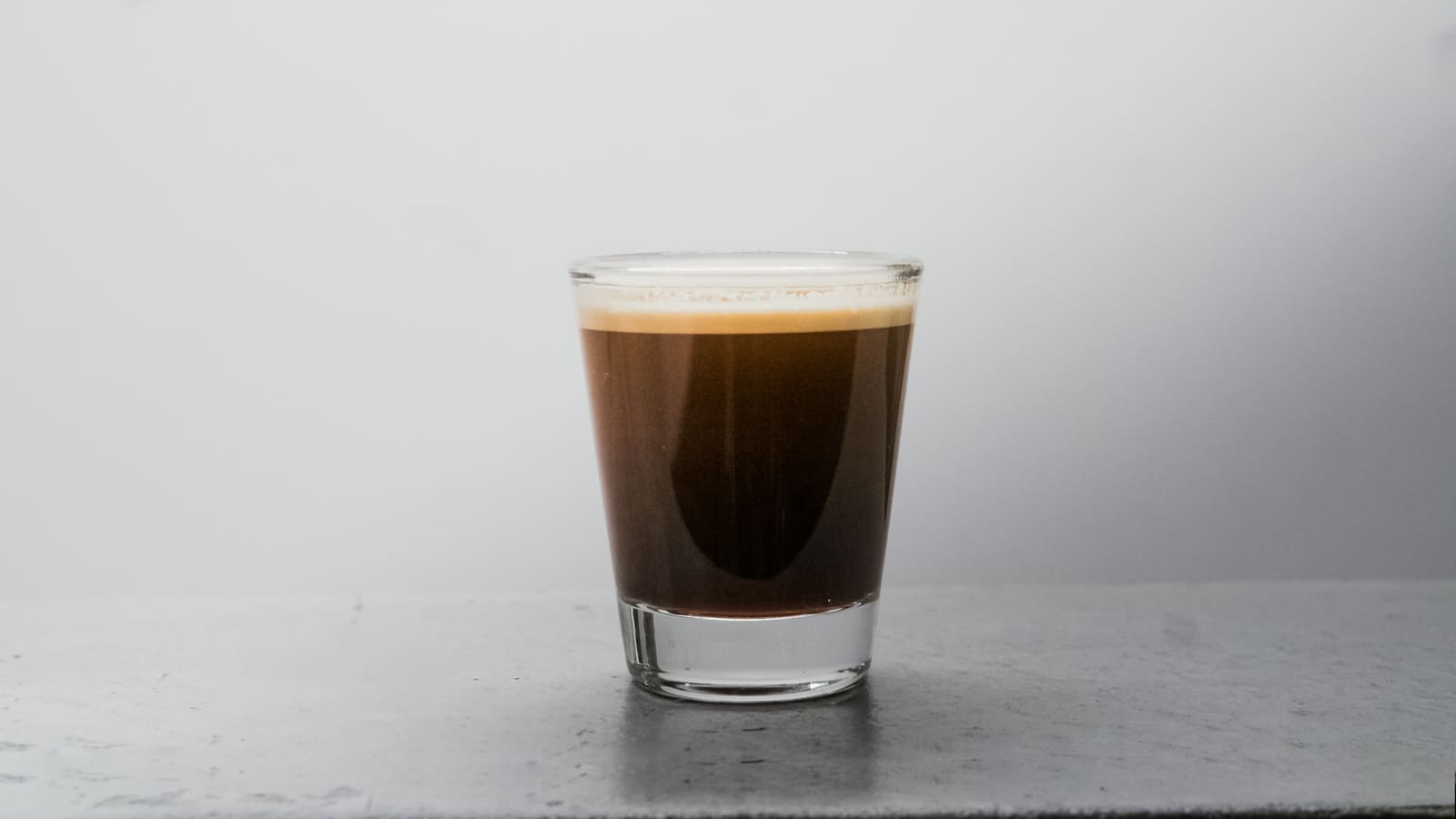
If you spend any time in specialty coffee TikTok or espresso forums, you have seen someone pull a 14g dose through an 18g basket, nail a 1:3 ratio in 38 seconds, and declare that they have solved light-roast espresso.
Half the responses are enthusiastic. Half call it nonsense. Both camps are partly right, because low-dose espresso is a real technique with real applications — and it is also frequently misused by people who do not understand what problem it is actually solving.
The problem low-dose solves
Light-roasted beans, especially modern competition-grade light roasts from 2023-2026, are dense. The cell structure has not been broken down by pyrolysis the way it is in a medium or dark roast. Water has a much harder time penetrating the bean, extracting evenly, and producing a balanced shot.
At a standard 18g dose in an 18g basket, the puck is tall, tightly packed, and resistant. Your shot often either:
- Chokes — 45+ second pulls, bitter, thin crema, because water is fighting physics
- Channels — water punches through one part of the puck, gushes out, and leaves the rest of the dose underextracted
Low-dose solves this mechanically. A 14g dose in an 18g basket is a shorter puck. Water penetrates more of the coffee bed evenly. Extraction becomes possible at grind settings that would choke a normal dose. You end up with more even extraction across the whole puck.
This is physics, not marketing. It is the same reason low-dose is standard practice on filter coffee where you pour over a smaller bed to compensate for a gentler brew.
When low-dose actually improves the cup
Specifically: modern light-roast espresso on home machines that cannot run pre-infusion long enough to soften dense pucks. If you are pulling Prolog, April, La Cabra, or Onyx light-roast espresso on a standard E61 or heat-exchange machine, low-dose is one of the most useful tools you have.
Target: 14-15g in an 18g basket, 1:3 to 1:4 ratio, 30-45 seconds. The shot will be bright, thin-bodied, and clear. On a good light roast, it will taste like pour-over expressed through a portafilter. On a bad one, it will taste like watery pour-over.
When low-dose ruins your shot
On medium roasts, dark roasts, and most blends, low-dose espresso just makes a weak shot. The bean structure is already open; water can extract fine at normal doses. All you are doing by under-dosing is reducing body and intensity and moving the flavor profile toward "weak drip coffee" rather than "espresso."
Baristas who discovered low-dose for light roast and decided to apply it to every bean are making worse coffee. Full stop.
Getting it right
Three rules that keep you out of the weeds:
- Match your basket. A 14g dose in a 14g basket is not "low-dose" — it is a normal shot at its designed dose. True low-dose means running a lighter dose through a larger basket to use the headroom for extraction.
- Adjust your grind. Low-dose needs a finer grind than standard dose, not coarser. The reduced mass means less resistance, and you compensate with a tighter grind to keep the extraction in range.
- Ratio matters more than time. Target 1:3 to 1:4. Do not chase a specific time; chase the weight in the cup. Shot time will drift with grind and roast.
Get those right, and low-dose is one of the highest-leverage techniques in espresso. Get them wrong, and you are making TikTok content, not coffee.