How Colombia Quietly Took Over Specialty Coffee
A decade ago Colombia was the dependable middle of the menu. Now it's the cultivar lab, the processing innovator, and the origin most likely to be on the top shelf at every roaster you respect.
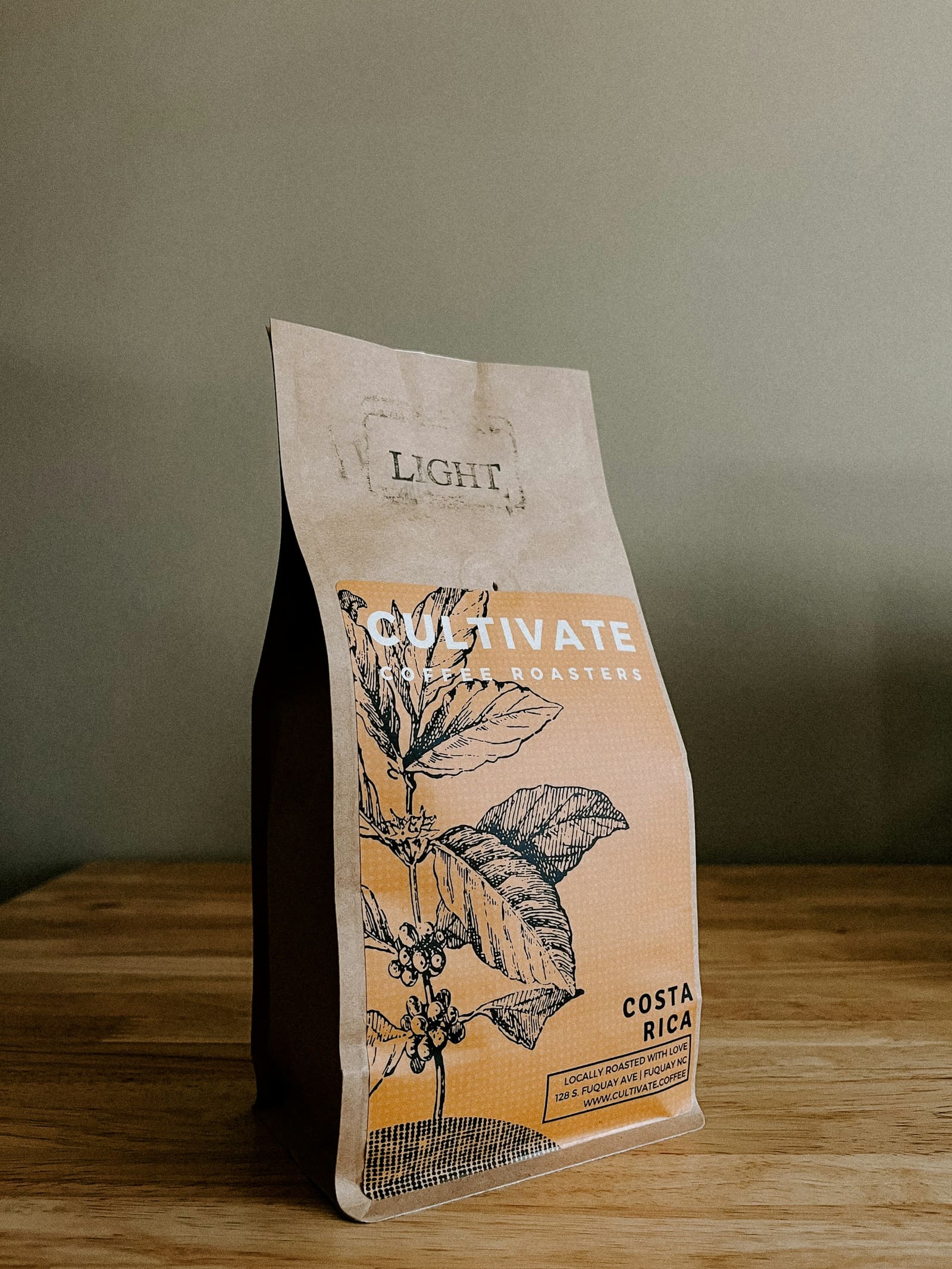
Walk into any high-end specialty roaster in 2026 — Onyx in Arkansas, Heart in Portland, La Cabra's US distribution, Coffee Collective's North American arrivals, the seasonal release from any roaster on the Sprudge top-100 list — and look at what's on the top shelf. The most expensive bags. The "competition lot" pricing tier. The coffees with the most florid tasting notes and the most aggressive premiums.
A decade ago, those bags were almost always Ethiopian or Kenyan. Yirgacheffe washed lots, Sidamo naturals, Kirinyaga AAs from Tegu washing station. The classic East African flavor signature — floral, fruit-forward, brilliantly acidic — defined what specialty meant at the high end.
In 2026, increasingly often, those top-shelf bags say "Colombia." More specifically: Huila, Tolima, Cauca, Quindío, Nariño. Pink Bourbon, Sidra, Geisha, Wush Wush, Maragogipe. Anaerobic processing, thermal shock fermentation, lactic-process washed. Producer names like Diego Bermúdez, Wilton Benítez, Elkin Guzmán, Astrid Medina. Bags clearing $40–$60 per 250g.
Colombia, the country that for thirty years was the default mid-menu reliable origin in American specialty coffee, has become — quietly, gradually, and now decisively — the most innovative origin in the world. The reasons are interesting and the consequences for what you drink are direct.
What Colombia used to be
For most of the 1990s and 2000s, Colombian coffee was specialty's dependable middle. The country produced enormous volume — typically the third- or fourth-largest producer of arabica globally — at quality levels reliably above commodity but rarely at the top end. The Colombian Coffee Federation (Federación Nacional de Cafeteros, FNC) marketed Juan Valdez as the friendly face of consistent, dependable, milk-friendly coffee. American consumers associated Colombia with "100% Colombian" labels on second-wave grocery brands.
Within specialty, Colombia was the safe origin. A Huila on the menu would deliver chocolate, caramel, mild fruit, balanced acidity — perfectly good, never surprising. Roasters used Colombian as the body in espresso blends because it played well with darker roasts and held up to milk. The flavor signature was reliability, not distinction.
The high-acid, high-clarity, varietal-specific specialty world of the early 2010s belonged to East Africa. Colombian arrivals were typically quieter on the menu, priced lower, and bought in larger volume.
What changed
Three forces, simultaneously, over roughly 2015 to 2025:
Cultivar diversity arrived. For most of Colombia's modern coffee history, the country grew Caturra, Castillo (a disease-resistant variety the FNC promoted heavily after a 2008 leaf-rust crisis), and Typica in roughly that order. By 2018, smallholders were experimenting with Bourbon, Geisha, Sidra, Pink Bourbon, Wush Wush, Maragogipe, Java, and a long tail of less-common varietals. The cup possibilities expanded dramatically.
Pink Bourbon in particular became a phenomenon. The cultivar — distinguished by its pink-yellow cherry color rather than the standard red — produces a flavor profile that, when grown well in high-altitude Huila or Cauca, mimics the floral-tropical clarity that Ethiopia had been the sole source of. Pink Bourbon lots from producers like Diego Bermúdez and Astrid Medina began winning Cup of Excellence and clearing $25+/lb at FOB prices. Within five years, every serious smallholder in southern Colombia had Pink Bourbon plants on their farm.
Processing innovation took off. Colombia adopted, refined, and aggressively iterated on advanced fermentation techniques that other origins had been slower to embrace. Anaerobic fermentation (sealing cherries in tanks with limited oxygen, producing intense fruit and lactic flavors), thermal shock (alternating hot and cold water rinses during washing), extended fermentation times, controlled-temperature washing, and lactic-process techniques all became standard practice on top farms. By 2022, an "innovative-process" Colombia was outperforming many traditional washed Ethiopian lots in cup competitions.
Smallholder scale matched the techniques. Unlike Brazil's industrial farms or Vietnam's commodity-scale operations, Colombian coffee is overwhelmingly smallholder — typical farms are 1–5 hectares. This means a single producer can experiment with new cultivars or fermentation techniques on a half-hectare lot, see the results in a single harvest, and scale or abandon based on cupping feedback. The agility is structural. Brazil's larger farms have the volume to experiment, but the economics push toward consistency. Ethiopia's smallholders have the variety, but the cooperative-and-washing-station structure dilutes individual lots into regional blends. Colombia's smallholders work with washing stations that often process and ship single-producer microlots, which means the cup feedback reaches the producer quickly and specifically.
The combination — varietal diversity, processing innovation, and structural agility — produced an explosion of distinctive Colombian coffees in the 2018–2024 window. By 2025, Colombian competition lots were routinely winning national Cup of Excellence with scores above 92, processing with anaerobic and lactic techniques that had been niche just a few years earlier.
What it tastes like in 2026
The flavor envelope of Colombian specialty coffee has expanded enormously. A 2026 Colombian on the top shelf might taste like:
- A Pink Bourbon from Cauca: jasmine, peach, lychee, white tea, with a clarity that reads almost Ethiopian
- A washed Geisha from Quindío: bergamot, white grape, jasmine, a long honeyed finish
- An anaerobic-natural Castillo from Huila: pineapple, mango, raspberry, heavy lactic creaminess, almost identical in profile to a natural Ethiopian
- A thermal-shock washed Caturra from Tolima: green apple, white grape, a snappy sherbet finish
- A lactic-process Sidra from Nariño: strawberry, milk chocolate, a creamy lactic body, with the underlying clarity of a washed coffee
That range — clean East African–style florals through tropical-fruit-bomb naturals through delicate Geisha-style profiles, all from one country — didn't exist in Colombian coffee a decade ago. It's the result of cultivar plus processing plus geography compounding.
The classic Colombian profile (chocolate, caramel, citrus, balanced) still exists, mostly at the mid-shelf and at grocery-shelf levels. It's still excellent for what it is. But the top end of Colombian specialty has moved into territory that competes directly with what East Africa offers, and increasingly wins.
Why most consumers haven't caught up
Consumer awareness lags producer innovation by roughly five years. The American specialty consumer in 2026 still associates "exotic" and "innovative" with East African origins, and "reliable" with Colombian. This is roughly a decade behind where the actual coffee industry is.
The marketing is also slower to shift. Colombian Coffee Federation campaigns still emphasize the Juan Valdez brand and the "100% Colombian" reliability story. The most innovative Colombian coffee — the Pink Bourbons and anaerobic processes that are competing with Geishas at the top end — is sold mostly through specialty roasters and direct-trade channels, not through mass-market retail.
The price-quality story is also confusing. Colombian Pink Bourbon competition lots can clear $30–$40/lb at retail, which is a similar premium to Geisha or top Yirgacheffe but doesn't yet have the brand recognition to anchor consumer expectations. A consumer paying $45 for a Pink Bourbon often doesn't know quite why they're paying it; the same consumer paying $45 for a Panamanian Geisha knows exactly what category that price tier represents.
This is changing, but slowly. The roasters featuring Colombian Pink Bourbon prominently — Onyx, Heart, La Cabra, Coffee Collective — are educating consumers shelf by shelf. The Cup of Excellence winners are getting press attention. Specialty wholesale buyers are increasingly building Colombian programs at the very top end.
In another five years, the cultural recognition will catch up. Colombia in 2030 will be what Ethiopia was in 2015 — the assumed top-shelf origin in any serious specialty roaster's lineup. The consumer awareness shift is currently lagging the production reality.
What to actually buy
If you want to taste what Colombia is doing right now, look for a few specific things on the bag:
- Producer names: Diego Bermúdez (Finca El Paraíso 92, La Mesa, La Loma), Wilton Benítez (Granja Paraiso 92), Elkin Guzmán (Tolima), Astrid Medina (Tolima), the Granja San Cayetano network in Quindío, the Bermúdez family farms in Cauca. Any of these is a serious purchase.
- Cultivar callouts: Pink Bourbon, Sidra, Geisha, Wush Wush, Maragogipe, Java. These are the cultivars driving the high-end Colombian story right now.
- Processing detail: "Anaerobic natural," "thermal shock washed," "lactic process," "extended fermentation washed." These are the techniques producing the most distinctive cup profiles.
- Specific zones: Huila (the largest specialty zone), Cauca (the high-altitude innovation hub), Tolima (the smallholder competition winner zone), Quindío (boutique Geisha and Pink Bourbon territory), Nariño (high-altitude, often Sidra).
A "Colombia, washed Caturra, Huila" bag is good. A "Colombia, anaerobic Pink Bourbon, Cauca, Wilton Benítez" bag is the new specialty top shelf.
What it means for the next decade
Colombia's emergence as the dominant innovative origin in specialty has consequences beyond what's on your shelf. It's reshaping where the big specialty roasters allocate their sourcing budgets — Colombian producers are now receiving meaningfully higher per-pound prices for top lots than Ethiopian or Kenyan producers in some cases, which is reshuffling the geographic flow of specialty coffee money.
It's also changing what other origins are doing. Ethiopian washing stations are experimenting with anaerobic fermentation. Kenyan farms are trying Pink Bourbon. Costa Rica and Guatemala are accelerating their cultivar diversification programs. The Colombian playbook — cultivar diversity, processing innovation, smallholder microlots — is being studied and copied across the specialty world.
For consumers, the upshot is straightforward: Colombia is the most exciting coffee origin in the world right now, and the bags reflecting that are increasingly available at any serious specialty roaster. The coffee on the top shelf in 2026 is, more often than not, growing on a half-hectare hillside in southern Colombia. The flavor profile is enormous and getting bigger every harvest.
If you've been buying Colombian as the safe mid-menu pick, your idea of what Colombian coffee is is outdated. Try a Pink Bourbon. Try a Sidra. Try a thermal-shock-washed Geisha from Quindío. The country has gone somewhere new, and the cup is genuinely different.
The map of specialty coffee is being redrawn in real time. The marker that used to read "reliable origin" over Colombia now reads, increasingly, "where the most interesting coffee in the world is being made."