The May Lot Drop Buying Guide: What's Worth Your Money This Spring
New-crop arrivals from Colombia, Ethiopia, Kenya, and Central America hit shelves in May. Here's the actual buying strategy — and the bags I'm putting in my own kitchen.
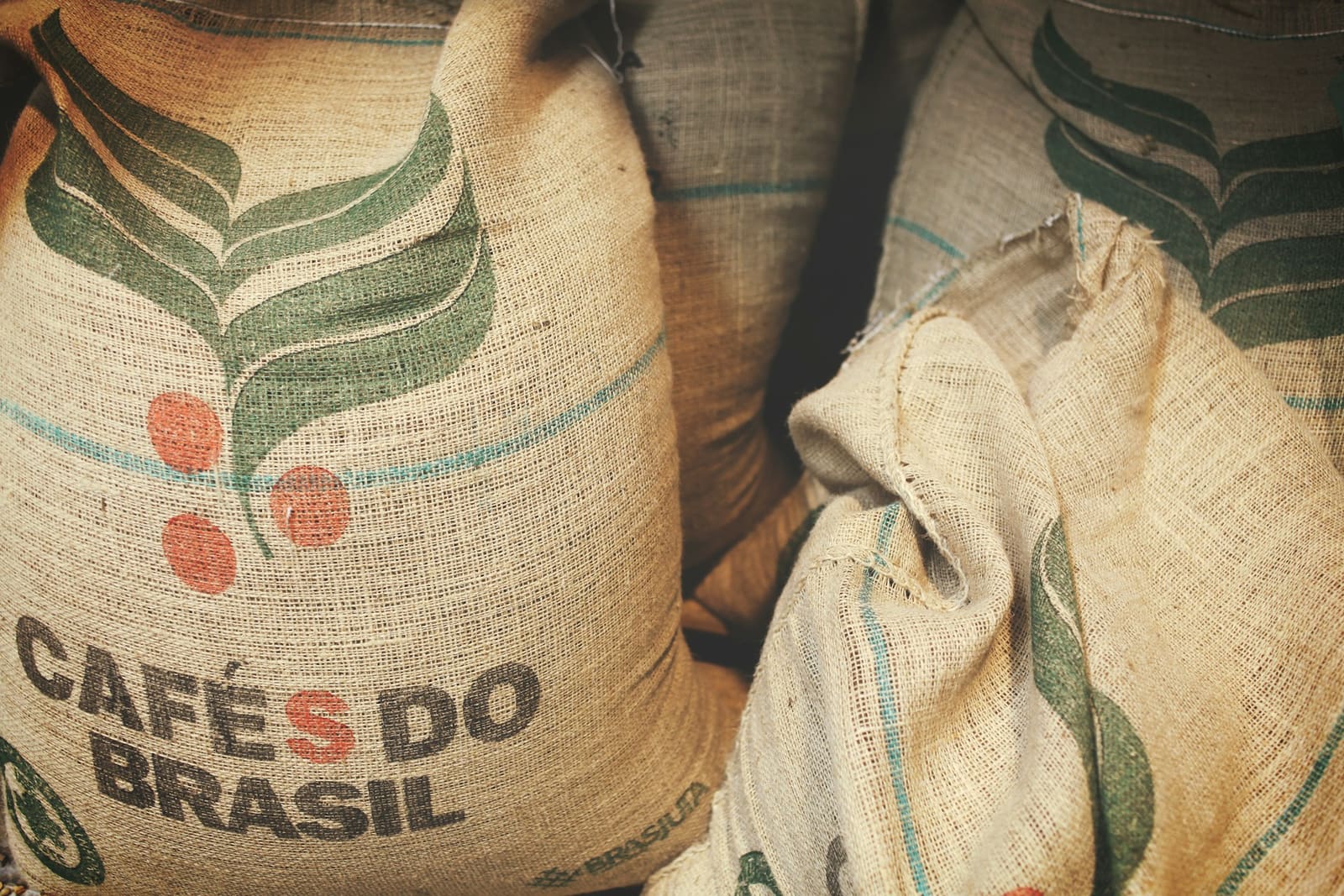
The first three weeks of May are the busiest stretch of the specialty coffee calendar. Within roughly 21 days, four major harvests arrive in roasters' warehouses simultaneously: the Ethiopian fly crop and main crop (the year's two harvests, both reaching North America in spring), the Kenyan main crop, the Colombian main crop, and the early Central American arrivals from Honduras and Guatemala. Roasters who have been waiting all year to release their best lots drop them within days of each other, the social-media announcements compete for attention, and the consumer ends up looking at thirty-plus bags from a dozen roasters with no clear way to choose.
This is the buying guide I wish I'd had ten years ago. Strategy first, then specifics, then what's actually in my own canister this month.
The strategy
Before you look at any specific bag, a few principles save you a lot of money:
Don't buy first-week-of-May releases. The earliest spring releases from each origin tend to come from washing stations that processed quickly and shipped quickly. They're not necessarily the best lots — just the fastest. The lots that win Cup of Excellence and the most carefully processed microlots tend to land in week two or three of May. Wait a week. The shelf gets better.
Pick one origin per buy. The temptation is to buy a Colombian, an Ethiopian, a Kenyan, and a Honduran all at once. Resist it. You'll dial in none of them properly, drink old coffee toward the end, and end up with mediocre cups from coffees that deserved better attention. Buy 250g–500g of one origin, brew it for two weeks, then move to the next. Coffee stays better in unopened bags than in opened ones.
Buy from roasters who publish FOB prices. A handful of roasters print their per-pound farm-gate prices on the bag or on the product page. Heart, La Cabra, Tim Wendelboe, Coffee Collective, occasionally Onyx. These are signals that the sourcing is substantive rather than aspirational. The price difference between a transparent-sourcing bag and an opaque-sourcing bag is often $2–$3 — which is to say, a small premium for a meaningful provenance story.
Don't ignore the sub-$20 tier. The May drop is not exclusively top-shelf coffee. Most roasters release affordable everyday options alongside their competition lots. A $16 Colombia from a serious specialty roaster will often be more interesting than a $24 mid-shelf bag from a less serious one.
Note roast dates obsessively. A May 6 roast date is fine on May 12. The same coffee on June 10 is a month off-roast and noticeably different in the cup. If you're buying online and the bag arrives a week after roasting, you have about three weeks of peak window. Plan accordingly.
Origin by origin
Each origin in the spring drop has a different signature, a different shelf strategy, and different value tiers worth knowing.
Ethiopia
The fly crop reaches North America in March-April; the main crop arrives May-June. The fly crop tends toward washed Yirgacheffe and Sidamo profiles — clean, floral, citrus-forward. The main crop has more processing variety, including a higher proportion of natural-process lots.
What to buy in May: Washed lots from named Yirgacheffe washing stations (Konga, Aricha, Idido, Kochere). Look for "fully washed" specifically, not just "washed" — the distinction matters for clarity in the cup. For naturals, Sidamo and Guji lots tend to deliver the cleanest examples of natural-process Ethiopian.
Price tier: $18–$22 for a quality washed Yirgacheffe. $24–$32 for competition-grade microlots. Anything under $14 is probably regional blend (still drinkable, less specific).
Skip: Anything labeled "Ethiopia, washed" without a region or station name. The "Ethiopia, natural" without further detail is also typically a blend.
Specific roasters with strong May drops: Heart Roasters (Portland), Onyx Coffee Lab (Arkansas), Counter Culture (Durham), Stumptown (Portland — even post-acquisition, the Hair Bender Ethiopian and the seasonal single-origins remain solid).
Kenya
The Kenyan main crop is the consensus most-anticipated drop of the spring. Kenya in a good year delivers some of the most distinctive coffee in the world — bright, complex, often dense with savory and fruit notes that no other origin produces. The processing is overwhelmingly washed, often double-washed, with extended fermentation.
What to buy in May: AA-grade lots from named washing stations and factories — Kirinyaga, Nyeri, Embu zones produce the most celebrated coffees. Washing station names like Tegu, Gachatha, Karatu, Kiamabara, Karogoto are quality signals.
Price tier: $24–$30 for solid AA single-origin Kenyas. $36–$48 for top competition lots and single-cooperative microlots. Under $20 is likely a peaberry or AB blend, not necessarily worse but a different cup.
Skip: Anything labeled "Kenya AA" without a washing station name. The peaberry market is also confusing — peaberry is a single-bean-per-cherry mutation, not a quality grade. A peaberry can be from any quality tier.
Specific roasters: Counter Culture (consistently strong Kenyan program), Heart, Tim Wendelboe, La Cabra. The latter two are European but distribute aggressively in North America.
Colombia
The Colombian main crop arrives in May and continues throughout the summer. As discussed in the previous piece, Colombia is the origin where 2026 is at its most interesting — the cultivar and processing diversity is enormous, and the price tiers reflect a wide range of sourcing models.
What to buy in May: For an introduction to what's happening in Colombian innovation, a Pink Bourbon from Huila or Cauca is the highest-payoff buy. For a cleaner, more traditional Colombian, a washed Caturra or Castillo from a named producer in Huila will be familiar in profile and excellent in execution.
Price tier: $14–$18 for everyday washed Colombians (still excellent for the price). $22–$28 for Pink Bourbon and other premium varietals. $30–$45 for competition-tier anaerobic-process microlots and named-producer Geishas.
Skip: "Colombia, Huila" without a producer name. The volume of bulk Huila coffee in the spring drop is enormous, and quality is highly variable at the regional-blend level.
Specific roasters: Onyx Coffee Lab (industry-leading Colombian program right now), Heart, La Cabra, Manhattan Coffee Roasters (Rotterdam, distributes to North America). Any roaster who has done a Colombian sourcing trip recently — check their Instagram — is likely to have strong spring offerings.
Central America (Honduras, Guatemala, Costa Rica)
Honduras and Guatemala arrive earliest in spring; Costa Rica typically a few weeks later. These origins offer the best value-to-quality ratio in the May drop — strong specialty coffee at $14–$22 price points that competes well with $24+ Colombians and Ethiopians.
What to buy in May: Honduran lots from El Paraíso, La Paz, and Marcala. Guatemalan lots from Antigua, Huehuetenango, Atitlán. Costa Rican lots from Tarrazú, Naranjo, Tres Ríos.
Price tier: $14–$20 for solid single-origin everyday lots. $22–$30 for premium microlots. $32+ for competition-tier or rare-cultivar lots (Geisha from Costa Rica especially).
Skip: Generic "Central America" blends if specific origin transparency matters to you. They're often perfectly drinkable but don't communicate origin.
Specific roasters: Counter Culture, Stumptown, Coffee Collective (especially for Honduran), George Howell (especially for Guatemalan).
What I'm actually buying this month
I'm running through my May purchases as I write this. For full disclosure:
Bag 1: Onyx, Pink Bourbon, Granja San Cayetano, Cauca, Colombia. $32 for 250g. Anaerobic natural. Pulled the trigger on this one specifically to see what an aggressive anaerobic process does to a Pink Bourbon — most Pink Bourbon I've had has been washed. Roast date May 4. Will dial in over the next ten days.
Bag 2: Counter Culture, Kirinyaga AA, Tegu washing station, Kenya. $26 for 340g. Washed double-fermented. The Tegu washing station has produced some of the most consistent Kenyan single-station coffees I've had over the last five years. Roast date May 6.
Bag 3: Heart Roasters, Konga washing station Yirgacheffe, washed. $22 for 340g. The classic washed Yirgacheffe profile from one of my preferred washing stations. Heart's roast curves on Ethiopian washed lots are some of the best in North America — they preserve clarity without sacrificing sweetness. Roast date May 8.
Bag 4 (planned): Either a Honduran or a Costa Rican Geisha later in the month. Haven't decided. The Honduran will be $18 and excellent; the Costa Rican Geisha will be $40 and a different category of experience. Probably the Honduran for daily drinking, the Geisha if I want to remember why I drink coffee at all.
That's $80 for three bags, with one more probably $20–$40 to come. About a month of coffee for someone drinking 2–3 cups a day. Less than a single dinner out, more than a normal grocery run, almost exactly the right tier of investment for someone who cares about what's in the cup.
One last thing about timing
The May drop is intoxicating. The bags arriving each week look spectacular, the roaster announcements are constant, the social media is full of unboxing videos. The temptation is to buy too much and end up with old coffee.
Don't. Three to four bags total in May is plenty. Each bag should last 10–14 days of brewing for a typical home setup. Buy more next month if you want — the new-crop window stays open through summer for Central American and through autumn for late Colombian and Brazilian arrivals. There's no shortage. The constraint is not what's available; it's what you can drink while it's fresh.
Pick well. Drink while fresh. Take notes. Repeat.
The May drop is the closest thing the specialty coffee world has to opening night. Three or four bags. Two weeks each. Drink them like you mean it.