Why Yirgacheffe Tastes Different Every Single Time
A region the size of Vermont, a thousand microlots, and a flavor profile that refuses to sit still. The case for a single origin you'll never quite pin down.
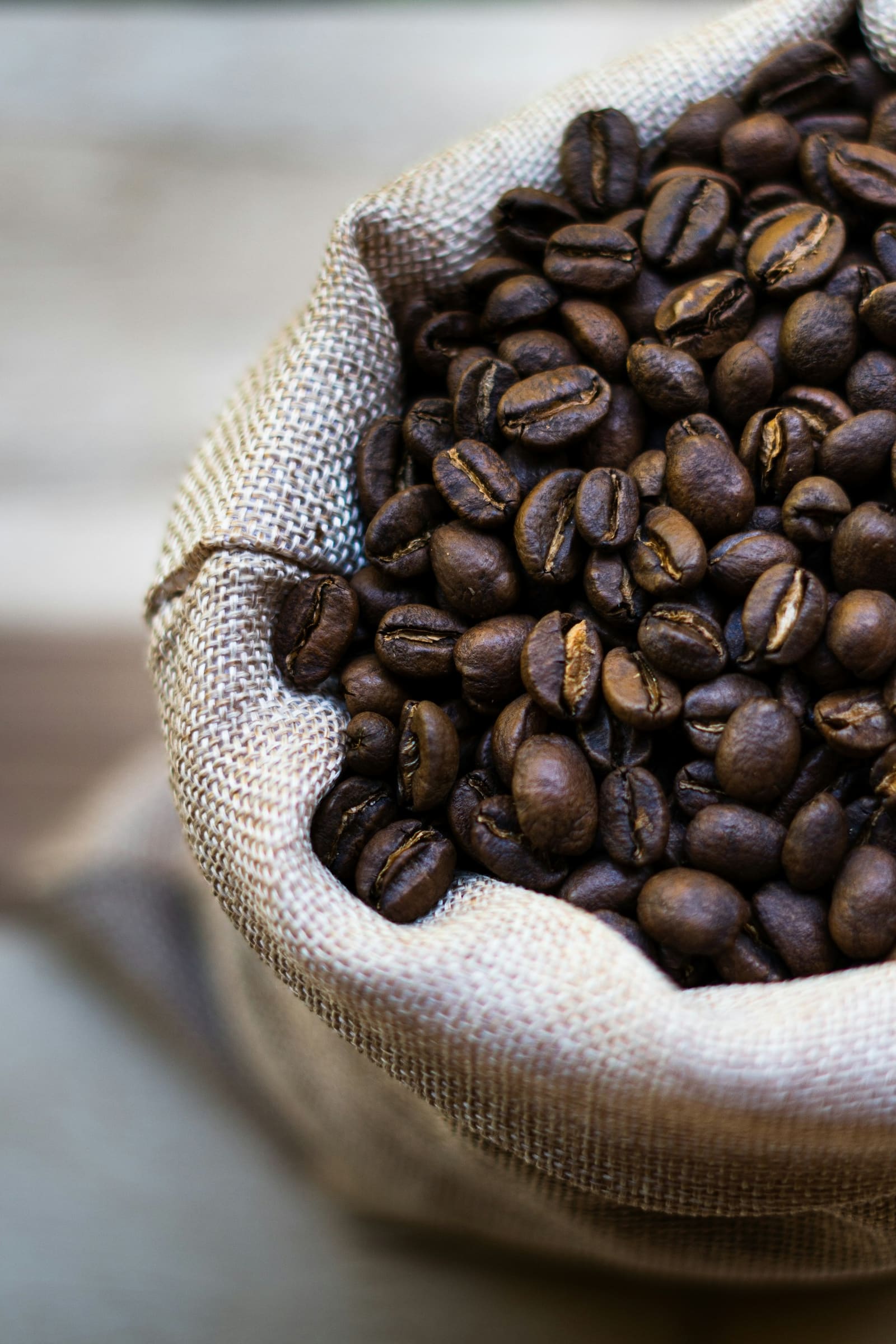
A Yirgacheffe arrived at my house last week. Washed process, 2024 harvest, $24 for a 250g bag from a roaster I trust. I brewed it on a V60 at my standard 1:16.5 ratio, expected the floral-citrus profile that Yirgacheffe is supposed to deliver, and got, instead, a cup that tasted unmistakably of strawberries and cream — almost a natural-process flavor signature, despite this being a fully washed lot.
Two months ago, a different Yirgacheffe — different roaster, same harvest year, same washed processing — gave me bergamot, jasmine, and a lemon-verbena finish that was textbook for what I'd expected today's cup to be.
This is not unusual. This is, in fact, the defining feature of Yirgacheffe as an origin: a single zone in southern Ethiopia, smaller than the state of Vermont, that produces some of the most consistently distinctive and inconsistently consistent coffee in the specialty world. You can buy Yirgacheffe for ten years and never quite know what's going to be in the cup before you brew it.
The reason isn't randomness. It's that "Yirgacheffe" is doing a tremendous amount of work as a name, covering geography, genetics, and production methods that vary enormously across what looks, on a map, like a single region.
What Yirgacheffe is, technically
Yirgacheffe is a woreda — an administrative district — in the Gedeo Zone of the Southern Nations, Nationalities, and Peoples' Region in southern Ethiopia. The zone sits at 1,800–2,200 meters of elevation in the Ethiopian highlands, with a climate ranging from cool-temperate at altitude to warm-tropical in the lower reaches.
Geographically, Yirgacheffe is small — roughly 1,000 square kilometers — but topographically it's enormously varied. The terrain includes deep ravines, steep volcanic ridges, terraced hillsides, and dense forest canopy that survives in pockets where other regions of Ethiopia have lost their cover. Coffee grows in microclimates that change over distances measured in hundreds of meters: a farm at 1,950m on a north-facing slope produces meaningfully different cherries than one at 1,850m on a south-facing slope a kilometer away.
Most Yirgacheffe is grown garden-style — meaning small parcels (typically under one hectare) interplanted with shade trees, fruit trees, food crops, and other species. This is not industrial monoculture; it's smallholder polyculture, which has direct flavor consequences (the surrounding plants influence the cherries' microbial environment and, indirectly, the cup).
Production is overwhelmingly smallholder. The average Yirgacheffe producer cultivates less than a hectare, harvests a few hundred kilograms of cherry per season, and delivers it to a local washing station. There are roughly 80,000 smallholder farmers in the broader Gedeo zone.
The varietal question
Coffee in Yirgacheffe is almost entirely heirloom — a category that, in Ethiopian context, means a genetic mix of native landrace varieties whose specific composition varies farm to farm, sometimes tree to tree.
In other origins, you can identify a specific varietal — Bourbon, Caturra, Geisha, SL28 — and have a reasonable expectation of what flavors that genetic profile typically produces. In Yirgacheffe, "heirloom" is the answer to the varietal question, and it covers everything from JARC-released cultivars (officially designated improved heirloom selections from the Jimma Agricultural Research Center) to genuine wild types that were never selected for any particular trait.
A single farm in Yirgacheffe might have ten distinct genotypes interplanted across a hectare. The cherry color at harvest varies — some plants produce red cherries, others yellow, others mottled. Some plants drop ripe fruit faster than others. Some respond differently to washed vs. natural processing.
The flavor consequences are direct. A Yirgacheffe lot that drew more cherries from one cluster of trees than another can taste meaningfully different from a neighboring lot. Two consecutive harvests from the same producer can vary because the proportion of contributing genotypes shifted.
This is genuinely different from how most other origins produce specialty coffee. A Colombian producer growing a single varietal — say, Pink Bourbon — can deliver consistent cup profiles across multiple harvests because the genetics are stable. A Yirgacheffe producer's lot is, in a sense, a moving genetic average, varying from year to year and washing station to washing station.
Processing, the other variable
Until roughly 2015, almost all Yirgacheffe was washed-process — the cherries were depulped, fermented in tanks for 24–72 hours to break down the mucilage, then washed clean before drying on raised beds. This is the technique that produced the classic Yirgacheffe flavor profile: jasmine, bergamot, lemon, and that distinctive tea-like clarity.
Then natural-process Yirgacheffe began appearing in earnest, and a third style — honey or "pulp natural" — followed. Today, all three processes are common in Yirgacheffe, and the same producer might run multiple lots in different styles in a single harvest.
A natural-process Yirgacheffe ferments the cherry on the bean during drying — the fruit pulp is left intact, and the bean takes on much heavier fruit flavors during the multi-week sun-drying process. The classic Yirgacheffe washed flavors (floral, tea-like, citrus) get partly buried under heavier strawberry, blueberry, and tropical-fruit notes from the natural fermentation.
The recent strawberry-and-cream lot I described above was supposedly washed, but produced naturals-style flavors, which probably means: an extended fermentation during the wet-process stage, or contamination of the wet-process line with some natural-style cherry, or simply a high proportion of certain genotypes that produce naturally fruit-forward flavors even when washed cleanly.
Why your bag tastes different from someone else's
Pull all this together and you arrive at the explanation:
A Yirgacheffe bag in your kitchen represents:
- A microclimate (specific elevation, slope, sun exposure, surrounding plant cover) different from any other farm's microclimate
- A genetic mix unique to that farm's set of trees
- A processing protocol that, even when categorized as "washed," varies in fermentation duration, water composition, drying conditions, and storage
- A blend at the washing station, where cherry from dozens of producers is often combined before processing
- A roast curve at the roaster's level that interacts with the green's specific moisture content, density, and varietal composition
Two "washed Yirgacheffe" bags from different roasters in the same harvest year can come from washing stations 30 kilometers apart, drawing from genetically distinct producer pools, processed slightly differently, and roasted on entirely different equipment. The fact that they share a name on the bag is a marketing convenience, not a flavor guarantee.
This is not a bug. It's a feature, in the same way that Burgundy producers from neighboring villages produce identifiably different wines from the same Pinot Noir grape. Yirgacheffe's flavor variability is the consequence of its genetic and geographic complexity, and it's part of what keeps the origin interesting decade after decade.
How to navigate it
A few practical heuristics, after twenty-some years of buying coffee from this origin:
Buy from roasters who name washing stations. A bag labeled simply "Yirgacheffe" represents a regional blend that could be any of dozens of washing stations. A bag labeled "Yirgacheffe — Konga washing station" or "Yirgacheffe — Aricha" gives you traceability that lets you start identifying preferences. The Konga washing station, for example, has a reputation for jasmine-and-bergamot floral profiles. Aricha tends toward lemon-verbena and stone fruit. These are useful priors, not guarantees.
Pay attention to processing details. A bag that says "washed" without further detail is less informative than a bag that says "washed, 36-hour fermentation, dried 14 days on raised beds." The latter tells you something about what to expect.
Read the tasting notes critically. Roaster tasting notes for Yirgacheffe are remarkably consistent across lots: jasmine, bergamot, lemon, peach. These are accurate-on-average descriptions of what Yirgacheffe tends to taste like, but any individual bag can deviate substantially. Don't expect the cup to perfectly match the prose.
Cup before you commit. If a roaster offers tastings or a small sample size, take it. Yirgacheffe is the origin where a 50g sample saves you from buying a 250g bag of coffee that doesn't suit your preferences.
Embrace the variability. The reason to drink Yirgacheffe is not consistency — it's the floor of quality. A bad Yirgacheffe is rare; a great Yirgacheffe is common; a Yirgacheffe identical to last year's is essentially impossible. If you want consistency, buy a single-varietal Colombian. If you want the most distinctive coffee in the world, accept that the distinctiveness has to include genuine surprise.
What I'm drinking right now
The strawberry-and-cream bag is, after I've gotten over my expectation of bergamot, very good. It's not what I thought I'd ordered. It's clearly Yirgacheffe — there's a floral undertone the strawberries don't bury — but it tastes more like a natural-process Sidamo than a textbook Yirgacheffe washed.
I've started a notes file specifically for this origin. Each Yirgacheffe I drink, I write down the washing station name (when available), the processing description, and the actual tasting profile. After a year, the patterns are starting to emerge: I prefer Konga and Idido station coffees over Aricha; I prefer washed over natural; I prefer single-station over regional blends. Your preferences will be different. That's the point.
Yirgacheffe is the origin you cannot pin down. Once you stop trying, it becomes one of the most rewarding coffees in the world.
The bag in front of you is a point in a cloud, not a point on a line. Drink it for what it is, take notes, and accept that next year's Yirgacheffe will be its own thing entirely.