Third Wave Coffee Is Over. The Coffee Got Better.
The aesthetic died. The white tile, the single-bar pour-overs, the four-dollar Ethiopian. Good. The values that movement championed are now the floor instead of the ceiling.
A barista I know — a good one, twenty years behind a bar — told me in a Brooklyn cafe last month that "third wave is over." She said it with the same flat tone someone might use to note that grunge ended in 1995. Not a complaint. Not a celebration. A statement of fact about something that had a beginning, a middle, and now an end.
She's right. And the coffee is better for it.
What third wave was
Third wave coffee, as a defined cultural and commercial moment, ran roughly from 2002 to 2018. It had founding institutions (Stumptown in Portland, Intelligentsia in Chicago, Counter Culture in Durham, then Blue Bottle in Oakland), a defining aesthetic (white subway tile, exposed Edison bulbs, butcher-paper menus with tasting notes, baristas in selvedge denim, pour-overs as the focal point of the bar), and a unifying ideology: coffee as a single-origin agricultural product whose terroir, varietal, and processing should be celebrated rather than blended away.
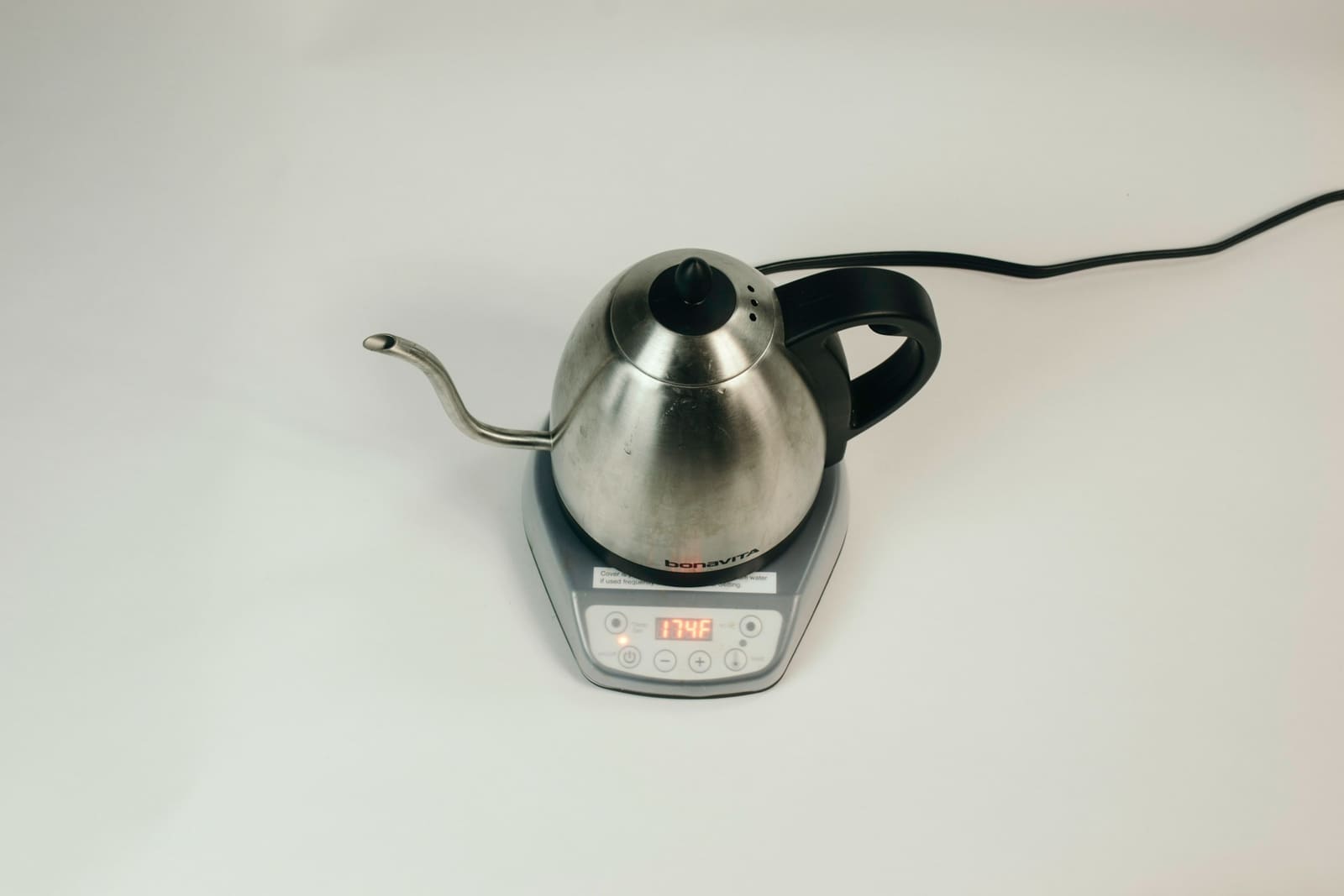
The movement also had specific commitments. Direct trade. Lighter roasts that revealed origin character. Manual brew methods that allowed the customer to taste the coffee on the bar. Public-facing transparency about producer prices. Tasting notes printed alongside menu items. Espresso pulled at lower-than-Italian temperatures and shorter ratios to preserve clarity over body.
By 2014, this was the establishment in any specialty cafe in any major city. By 2018, it had reached the point of self-parody: white tile and Edison bulbs were so common that they functioned as visual shorthand for "specialty cafe" in stock photography. The aesthetic had become detachable from the values; you could open a third-wave-looking cafe with second-wave coffee, and many did.
What ended
Several things, simultaneously, in the late 2010s and early 2020s:
The aesthetic became commodified. Third-wave-looking cafes opened in shopping malls, in airport terminals, in hotel chains. By 2022, the visual signifiers of third wave were so widespread that they no longer signified anything. A green Stumptown sticker on a laptop in a coworking space could mean its owner was a serious specialty drinker, or could mean nothing.
The economics stopped working for the founding roasters. Stumptown was sold to Peet's in 2015 (which itself is owned by JAB Holding, a $50 billion European conglomerate). Intelligentsia followed. Blue Bottle sold a majority stake to Nestlé in 2017. The founders cashed out; the brands continued, but the cultural authority had moved.
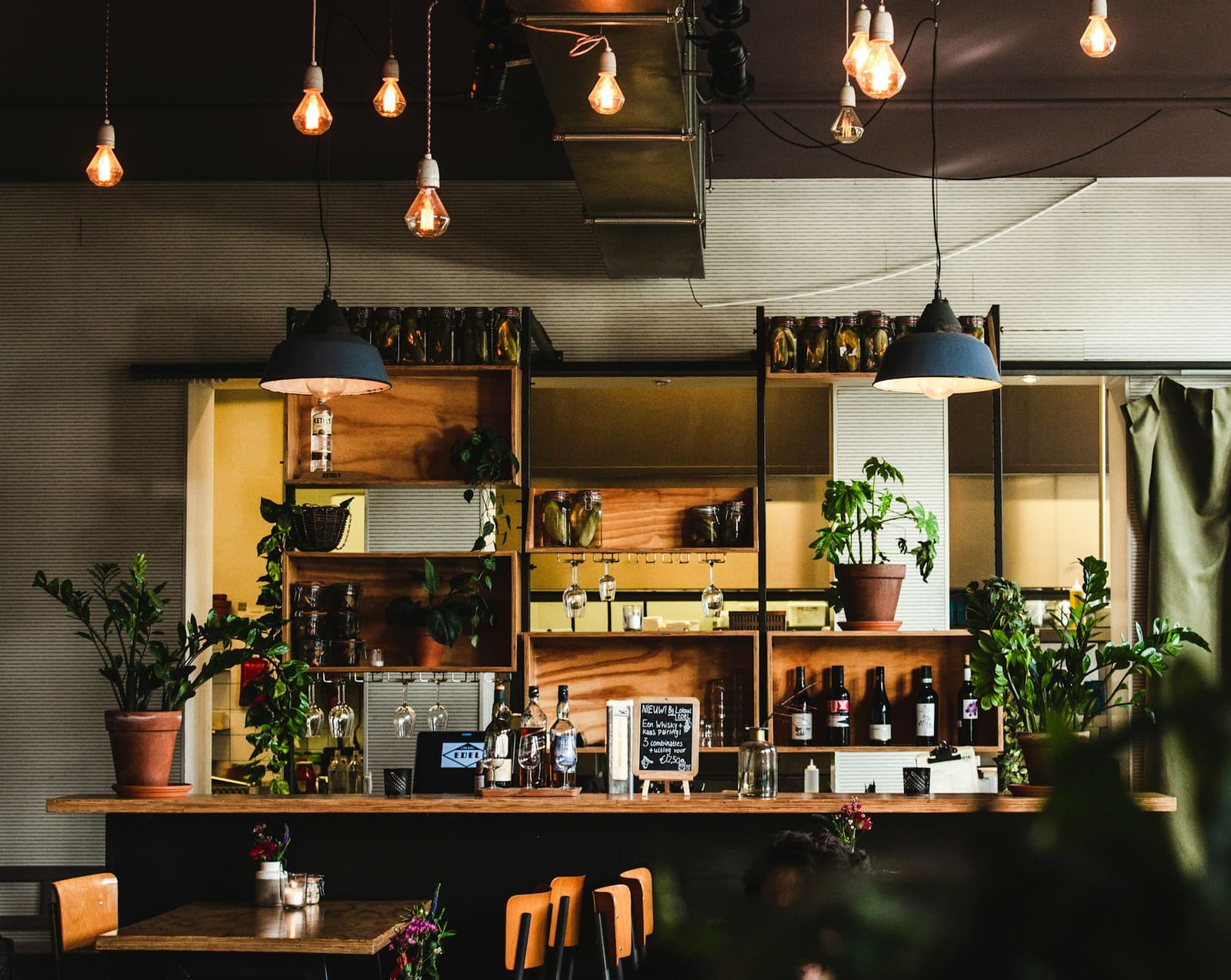
The next generation rejected the aesthetic. Younger roasters opening cafes in 2020–2024 deliberately moved away from white-tile minimalism. The visual language shifted toward color, mid-century modernism, plant-heavy interiors, design-language that wasn't trying to look like Portland. The third-wave look became visually dated in roughly the same way mid-2000s Apple Store interiors became dated.
The pandemic. Third wave was a high-touch experience — a barista pouring you a single-origin Ethiopian by hand, talking through the tasting notes. COVID hollowed out that interaction for two years and a lot of cafes never quite came back to it. The bar became a transactional point of sale; the conversation moved online or didn't happen.
Specialty went mainstream, which meant it stopped being special. When Starbucks Reserve opens in airports and Trader Joe's sells single-origin Ethiopian for $11/lb, the things that defined third wave have been absorbed by the second wave they were defining themselves against. Light roasts on grocery shelves. Origin information on Costco bags. Tasting notes everywhere.
What survived
The values. All of them. Stronger than ever.
Light-medium roasts that reveal origin character are now the baseline at any cafe with serious aspirations. Single-origin offerings are the default; blends are the exception. Tasting notes appear on bags from grocery-shelf brands, not just from Stumptown.
Direct trade has become traceability — most specialty roasters now publish lot-level information on every coffee, including farm name, varietal, processing method, and (often) the per-pound price paid to the producer. This is more transparent than third wave was at its peak.
Pour-over and other manual methods are still on the bar at any cafe that takes coffee seriously, but they're no longer the focal point. Espresso has reasserted itself as the central drink, partly because the espresso programs at top cafes have gotten dramatically better — modern grinders, modulated pressure profiles, lighter roasts pulled with more thoughtful recipes. The coffee is better.
The bar designs are warmer, more human, less austere. The white tile is gone. The wood is back. This is, plainly, an improvement.
What's actually new
In place of third wave, three things are happening simultaneously:
Hyper-regional specialty. The cafes pushing the coffee conversation forward in 2026 are doing it at the regional level — a single roaster working with two farms in a specific Colombian municipality, building deep relationships, releasing four lots a year from those producers and nothing else. This is a more sophisticated version of direct trade than third wave practiced; it's actual partnership rather than seasonal purchasing.
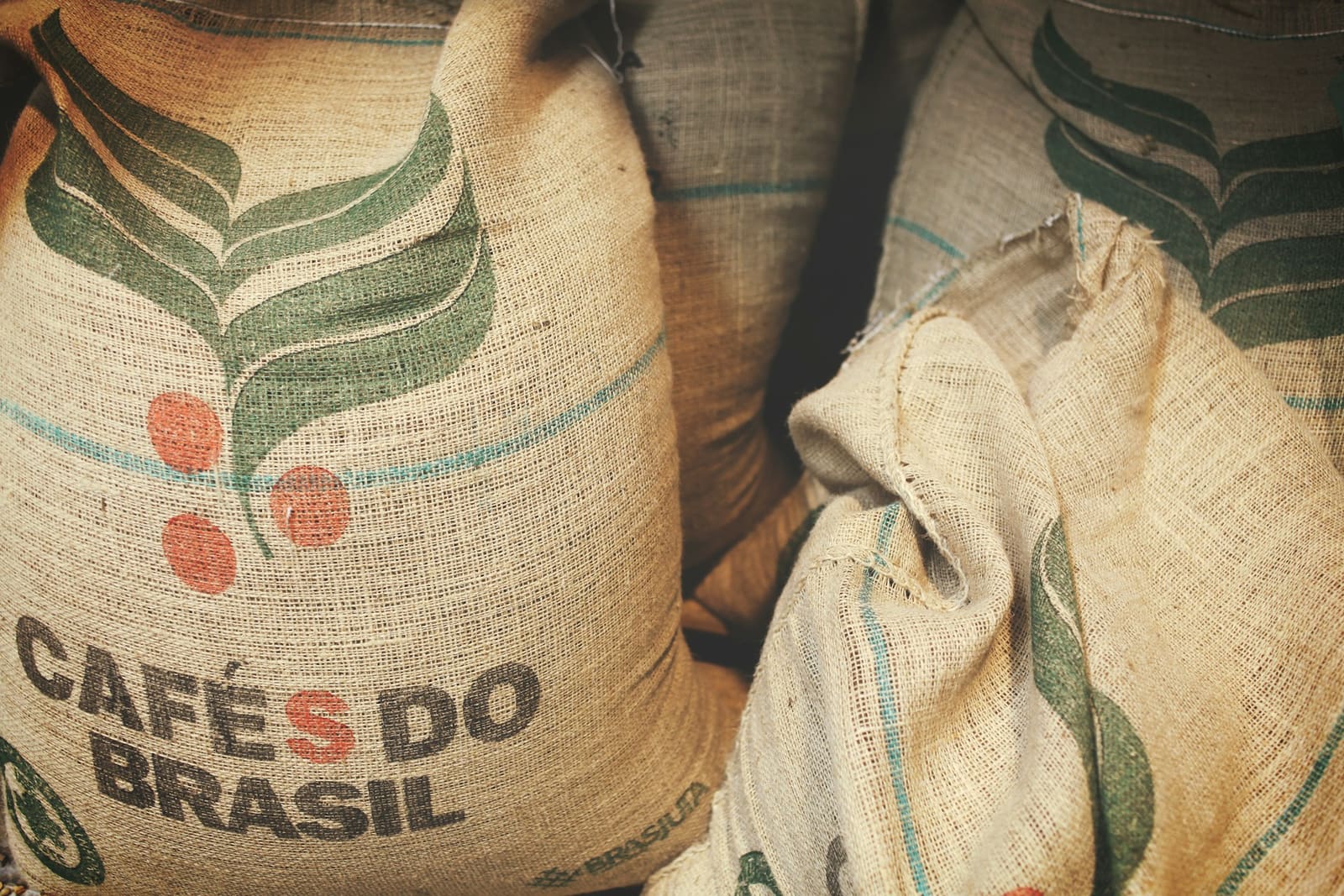
Production transparency at scale. The information available about a $20 bag of coffee in 2026 — varietal, altitude, processing details, producer name, harvest date, roast date, recommended brewing method, water composition guidance — is more complete than what third wave roasters published at their peak. The information has migrated from cafes to the bag itself.
Roasting style diversification. Third wave was characterized by a single roasting philosophy — light, clean, varietal-forward. The 2020s have seen specialty roasters experiment with medium roasts, traditional Italian-influenced espresso roasts, and even the comeback of some darker styles done with specialty-grade green. The conversation is no longer monolithic. There are good light roasters, good medium roasters, good "traditional" espresso roasters, and they all coexist on the same shelf.
Cafe-as-restaurant. The most ambitious cafes in 2026 are operating closer to restaurant kitchens than to coffee bars — full menus, dedicated pastry programs, alcohol service, sit-down service. This is partly economics (you can't pay rent on espresso alone in 2026 cities) and partly cultural — the cafe as a third place, not just a coffee transaction.
What I miss
I miss the focus. Third-wave cafes at their peak were temples to a single product. The bar was the focal point; the music was Velvet Underground; the menu was twelve coffees; the design was about negative space and a single point of attention. That intensity has dispersed.
I miss the manifesto. Third wave had a thesis. The current moment has many theses, which is healthier for the industry but less exciting culturally. There's no one to disagree with anymore.
I miss the early-2010s era when a great Ethiopian coffee felt like genuine news. Now, with so much excellent coffee in circulation, the fifteenth great Ethiopian of the year doesn't land the way the third great Ethiopian did when third wave was new.
What I don't miss
The pretension. Third wave at its worst was insufferable — baristas who acted as if you'd asked them to commit a war crime when you ordered a flat white instead of pour-over. The casual condescension toward second-wave drinkers. The implication that liking your coffee with milk meant you weren't ready for the real conversation.
The aesthetic homogeneity. Every white-tile cafe with the same Edison bulbs and the same Counter Culture poster on the wall blurred together. The current diversity of cafe design is a real improvement.
The fragility of the production chain. Third-wave direct trade was, for many roasters, more aspirational than operational — annual buying trips that produced great photos but only spot-purchase relationships. The shift to long-term sourcing partnerships in the 2020s is more substantive.
What it means for what's in your cup
You drink better coffee in 2026 than at any point during third wave's peak. The greens are better-sourced and better-traced. The roasting style options are more diverse and the average quality is higher. The grocery-shelf bags include things that would have been specialty-only in 2015.
The cafe experience is less austere and more inviting. The cafe-as-temple has been replaced by the cafe-as-third-place, and the coffee is just as good while the chair is more comfortable.
The cultural moment that made all this possible is over. That's fine. Movements end. The values persist. The coffee outlasted the aesthetic, which is the only outcome that mattered.
Third wave gave us better coffee, better information, better producer relationships, and worse interior design. Two out of three carried forward. Drink the result.